
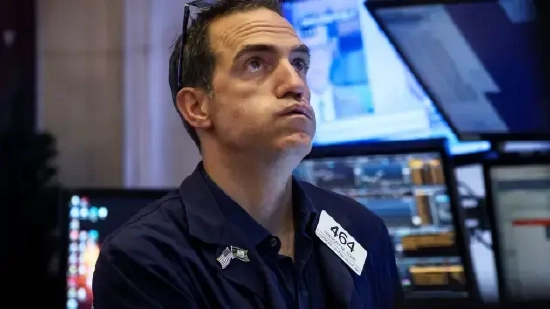
In the early morning of the 18th Beijing time, U.S. stocks closed mixed on Friday, and the intraday situation was volatile. Fears of a recession caused by aggressive Fed tightening sent all three major stock indexes sharply lower. Friday was a quadruple magic day, with both volume and volatility amplified.
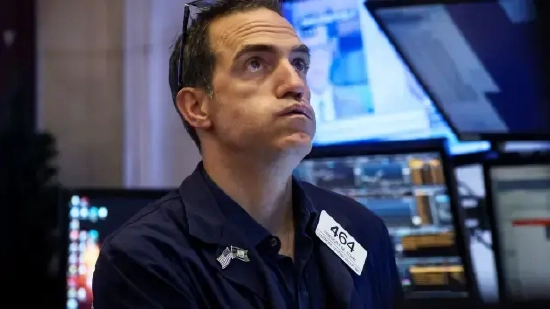
The Dow fell 38.29 points, or 0.13%, to 29888.78; the Nasdaq rose 152.25 points, or 1.43%, to 10798.35; the S&P 500 rose 8.07 points, or 0.22%, to 3674.84.
June 19 is the Juneteenth federal holiday in the United States. Since the holiday falls on Saturday this year, U.S. stocks will be closed on Monday to make up for the three-day holiday. Juneteenth Day commemorates the historic event that declared the abolition of slavery in Texas in 1865 and is celebrated annually on June 19.
On June 17, 2021, US President Biden signed a decree to officially designate the Juneteenth holiday on June 19 every year as a national statutory holiday.
Mainly affected by the market’s concerns about the economic downturn caused by the central bank closing the liquidity gate, the three major U.S. stock indexes all recorded large declines this week. The Dow fell 4.8% this week, recording the 11th weekly decline in 12 weeks. The index fell below 30,000 on Thursday for the first time since January 2021. The S&P 500 fell 5.8% and the Nasdaq fell 4.8%, both posting their 10th weekly declines in the past 11 weeks.
Investors are increasingly worried that aggressive tightening by the Federal Reserve will cause a recession. Several key economic data released this week, including May retail sales and housing starts, came in below expectations. The Federal Reserve raised interest rates by 75 basis points this week, the largest single rate hike since 1994. Federal Reserve Chairman Jerome Powell vowed on Friday that the central bank is “highly focused” on reducing inflation.
Faced with soaring inflationary pressures, Wednesday’s monetary policy meeting saw a disarray of hawkish doves. Kansas City Fed President George, one of the hawks, became the only dovish committee to vote against it at the June meeting. And Minneapolis Fed President Kashkari, who has always been known for his dovish stance, not only supported a 75-basis-point rate hike in June, but also pledged to support a 75-basis-point interest rate hike in July.
John Canavan, chief economist at Oxford Economics, said: “It is clear that market volatility remains. Given the heightened uncertainty, this will continue for some time. I do think that after the extreme moves we have seen over the past week, markets are Weakened. Expect stocks to settle at some level after the three-day long weekend.”
Mark Haefele, chief investment officer at UBS Global Wealth Management, said: “More aggressive central bank policies have added to headwinds for growth and equity markets. The risk of a recession is rising and achieving a soft landing for the U.S. economy appears increasingly challenging. .”
Wharton professor Jeremy Siegel said: “This week has been brutal. Let me tell you, we’re in a recession. It’s a mild recession. It’s not an official NBER definition. Recession, obviously it’s not there yet. But GDP shrank in the first half and was still declining by the end of the first half.”
On the corporate earnings front, software giant Adobe announced better-than-expected second-quarter results, but disappointing full-year guidance.