
Cover reporter Dai Rui
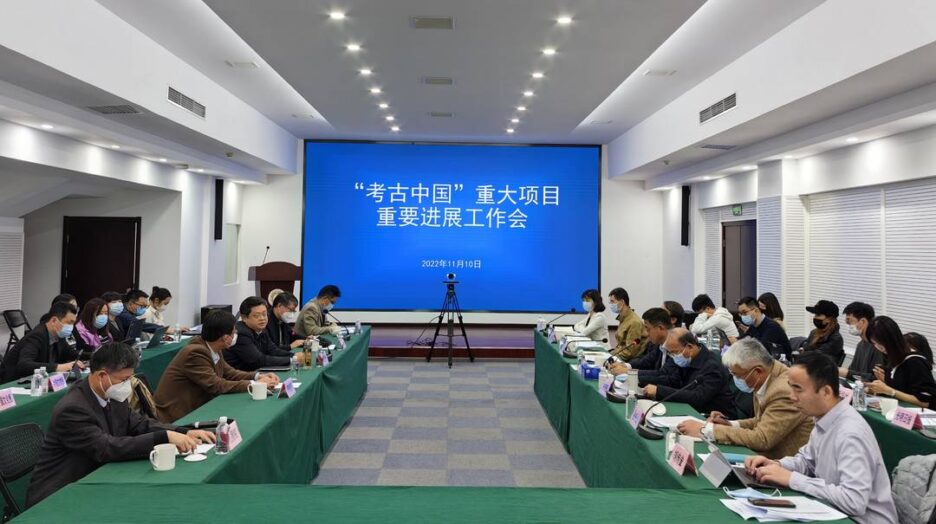
On November 10, the State Administration of Cultural Heritage held a work meeting on the important progress of the “Archaeological China” major project in Beijing, to report on the important achievements and new progress of archaeology and oracle bone inscriptions in Yinxu, Anyang, Henan.
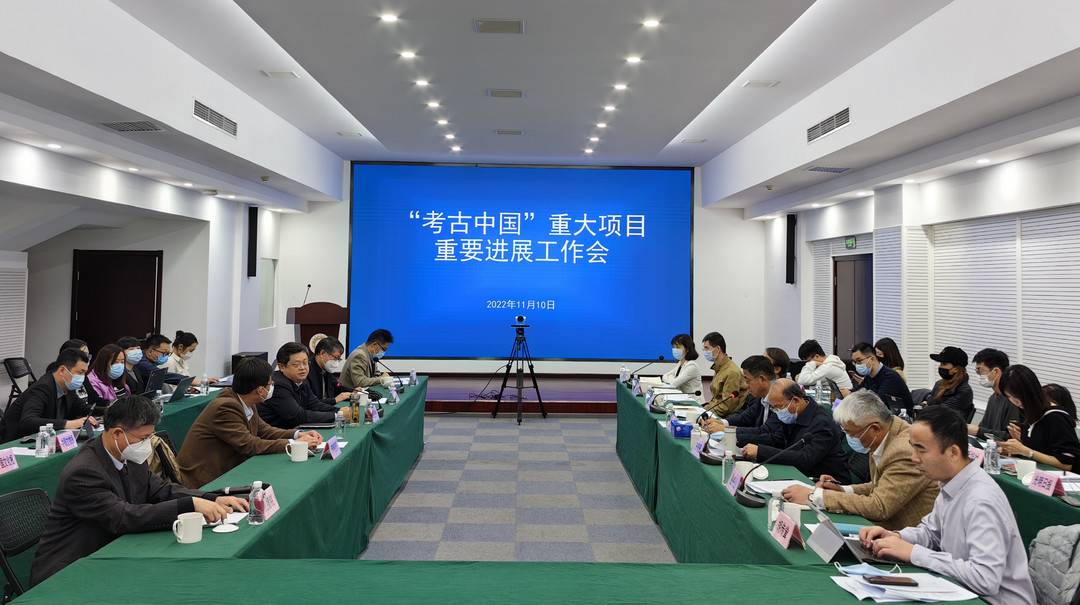
Researcher Kong Deming from the Institute of Cultural Relics and Archaeology of Anyang City introduced a number of new discoveries in the surrounding area of Yin Ruins. The Xindian copper casting site found 7 copper casting workshops in the late Shang Dynasty, more than 10 house sites, nearly 100 tombs, and unearthed inscriptions with the character “Ge”. Bronze ware, showing that the site may be a bronze ware casting site managed by the “Ge” people. The pottery production area, residential area and tomb area in an orderly layout were discovered at the Huanhao settlement site in the middle of the Taojia Business Dynasty, which further deepened the cognition of the social form of the settlements around Huanbei Mall. At the settlement site of the late Shang Dynasty in Shaojiapeng, 3 groups of multi-entry courtyards consisting of 18 house sites were found, as well as a cemetery consisting of a large tomb in the shape of “Zhong”, 23 small and medium-sized tombs, and 4 chariot and horse pits. A number of bronze wares with the inscription “Ci” were unearthed, indicating that the Shaojiapeng site may have been the residence of the “Ci” family of historians in the late Shang Dynasty.
Mr. Feng Shi, a member of the Chinese Academy of Social Sciences, systematically introduced the important achievements in the discovery and research of oracle bones over the past 120 years. A total of about 150,000 pieces of oracle bone inscriptions have been discovered, of which more than 35,000 pieces have been excavated by scientific archaeology, and the number of single characters has exceeded 4,000 words. Fruitful results have been achieved in cultivation and so on. Scholars who have participated in the study of oracle bone inscriptions are all over the world, and their books are numerous and numerous, which have become an international academic topic and have made great contributions to the common development of human civilization. The research on oracle bones in the new era is based on more than 100 years of profound academic accumulation, and pays more attention to the combination of research methods and multi-disciplines in archaeology. Chinese excellent traditional culture is of great significance.
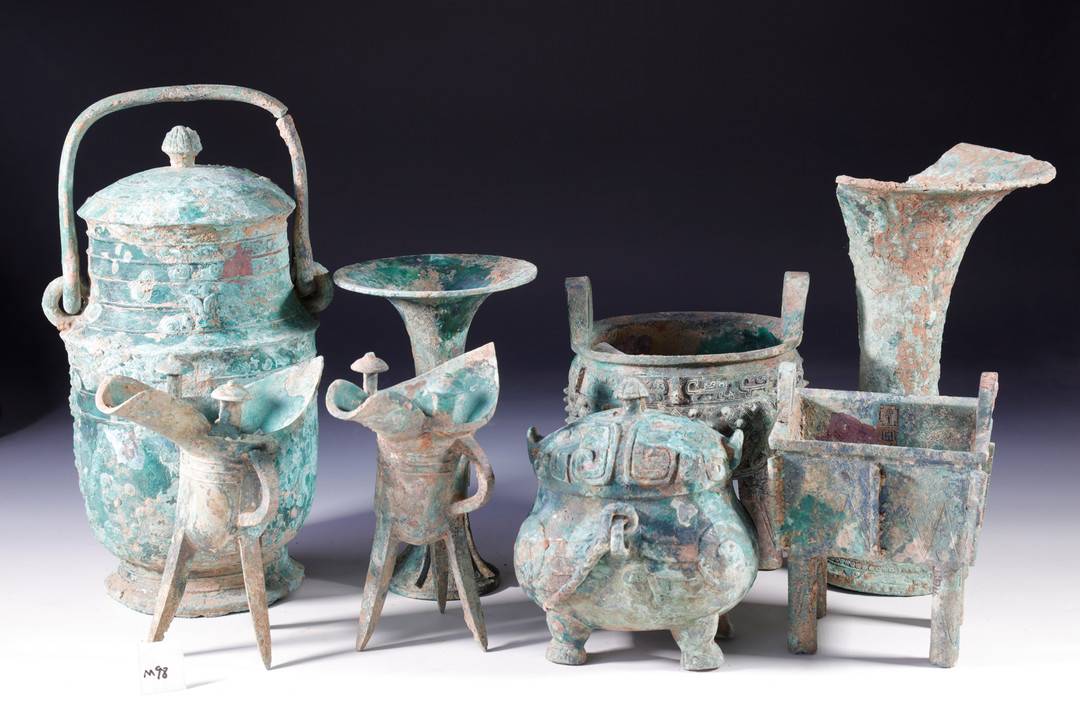 A combination of bronze ritual vessels unearthed from the Shaojiapeng tomb.Image source: State Administration of Cultural Heritage
Xu Lianggao, a researcher from the Institute of Archaeology, Chinese Academy of Social Sciences, systematically reviewed the archaeological history of the Yin Ruins for more than 90 years, and pointed out that the Yin Ruins archaeology confirmed the history of the Shang Dynasty recorded in the literature, and systematically demonstrated the social and cultural aspects of the Shang Dynasty and the development achievements of the Shang Dynasty civilization. In the new era, Yinxu Archaeology adheres to the concept of settlement archaeology, deepens multidisciplinary and interdisciplinary cooperative research, and strives to reveal a more comprehensive, authentic and vivid business culture. The archaeological work system has revealed Huanbei’s production methods of copper casting, bone making, pottery making and handicraft production and the layout pattern of the “combination of residence and burial”. The newly discovered palace and ancestral temple area has large pools, waterways and related architectural relics, which has changed the previous understanding of the overall pattern of the palace ancestral temple area. A surrounding ditch was found in the eastern and western areas of the Wangling District of Yin Ruins, which broke through the understanding of the layout of the Wangling District and was a major progress in the study of the cemetery system in the Shang Dynasty. The road system inside the Yin Ruins has been continuously revealed, and some residential sites, tombs, and handicraft workshops are densely distributed on both sides of some roads, providing important clues for further exploration of the Yin Ruins’ urban layout and the distribution of clans. Under the guidance of new ideas and new methods, the archaeological research of Yin Ruins will gradually restore a more comprehensive, authentic and vivid Shang civilization.