
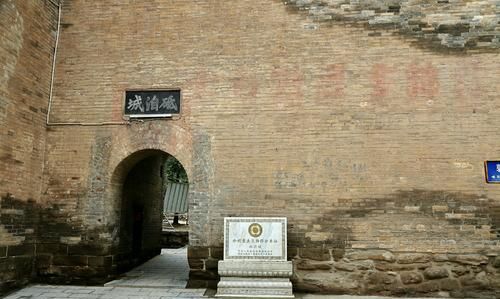
An ancient fortress in Yangcheng, it is a wonderful work of ancient Chinese architecture.
The topic of Shanxi has never been cut off since ancient times. From the battle for Jincheng in ancient times, war fortresses, weapon manufacturing, etc., to the modern culture of Shanxi merchants, Shanxi coal, Shanxi vinegar, etc., everything reveals the great cultural world of Shanxi.
Shanxi is also the hometown of the domestic city walls. The ancient buildings and temples inside have also attracted many people to observe. As a large province with a long history and culture, it welcomes groups of scholars to conduct historical and cultural research every year.
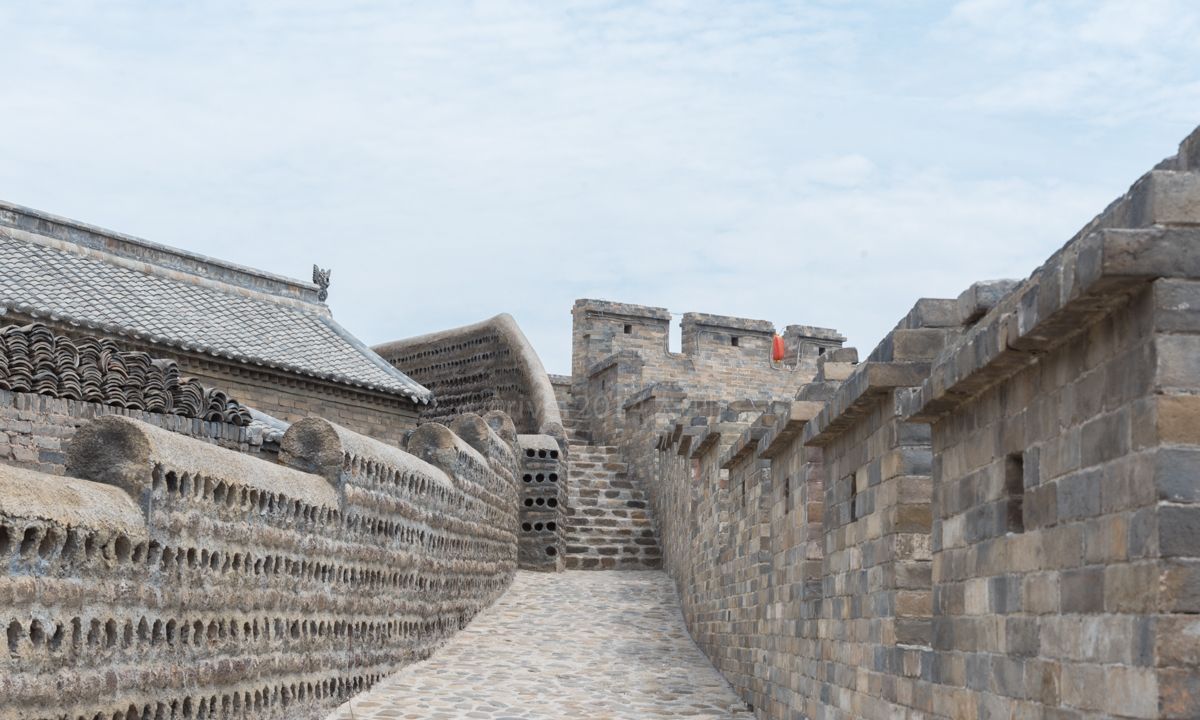
And now there is one more historical building worthy of everyone’s study, that is, dozens of old castles on the banks of the Qin River. The city of Jì, located in Yangcheng County, Jincheng City, Shanxi Province, is a very special one. The wonderful buildings in the history of ancient Chinese architecture, compared with ordinary castles, this castle simply makes people admire the wisdom of the ancients.
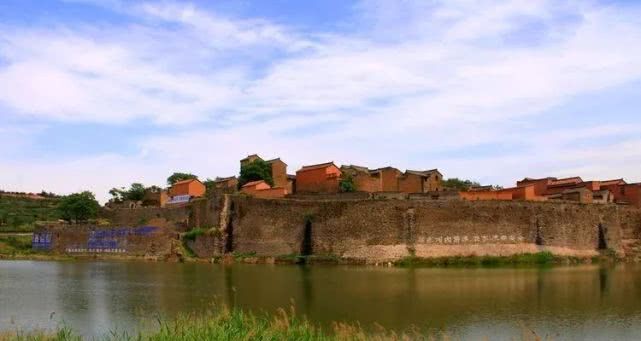
Speaking of Dingji City, most people may not have an impression, or even have never heard of it, but it has existed for a long time and has a profound historical background. The construction time of Dingji City can be traced back to before the Ming Dynasty, and it has a history of nearly a thousand years from today. In front of the city is the Qin River, and its name is also derived from it. “Qinshui” was called “Jingshui” in ancient times. The castle was built on a large stone in the “Jingshui”, surrounded by water on three sides, and relying on run-down towns to the south, hence the name “Qinshui City”.
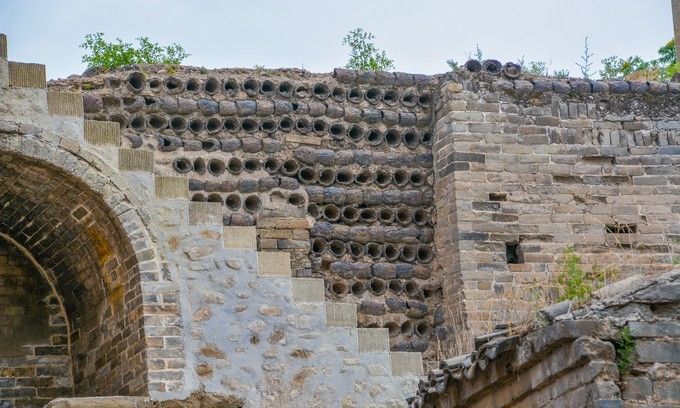
You may think that there is nothing special about an old castle. In fact, it has its own characteristics and even excels. Ordinary castles are built with stones, bricks, and tiles, which are strong and durable. The same is true for the city. However, it is different in that the inner city walls are densely packed and neatly lined with small cylinders. The cloth is like a honeycomb wall on the entire surface.
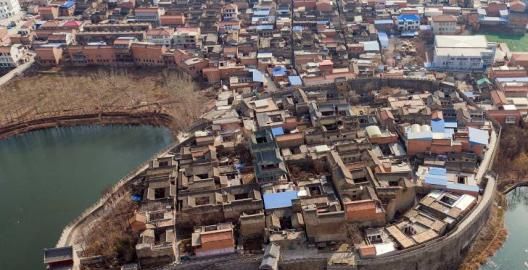
These small cylinders are the crucibles of the barrier walls. They were originally used for iron smelting for ironmaking. Because of their corrosion resistance, waterproofing, and fire resistance, the hollow structure of the fortress wall is warm in winter and cool in summer, and it is as infallible for defense. Therefore, Dingji City is also called “Honeycomb Wall” or “Crucible Wall”. Maybe everyone really didn’t think that the crucible could still have such a big use, and it is really a five-body throwing ground that admires the wisdom of the ancients.
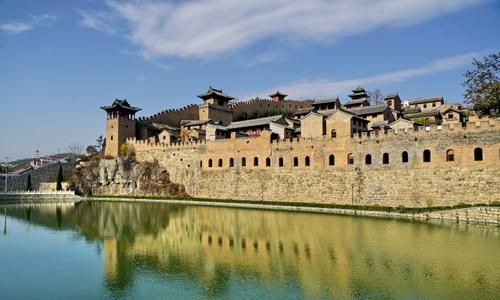
The fort-returning wall of Djiji City carried multiple functions. In the era, wars were frequent, bandits ran across, and there were various natural disasters. Djiji City used this kind of crucible as the wall material to prevent bandits during the day and night. Anti-thief, on the other hand, also anti-wind and water-proof.
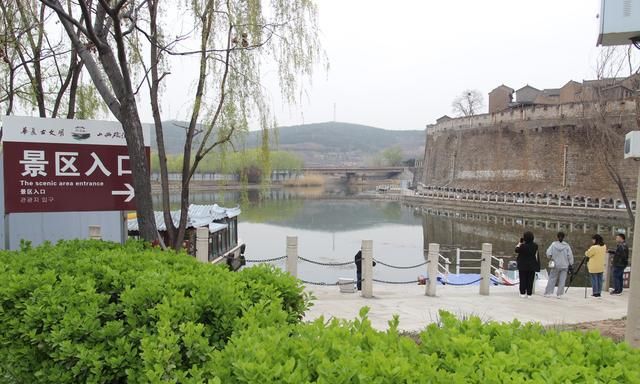
The dwellings, laneways and city walls in the entire castle are incorporated into the overall defense system, so when you go to the city, the streets and houses you see are all built with such crucibles, which gives people a strong guard. , The feeling of inviolability.
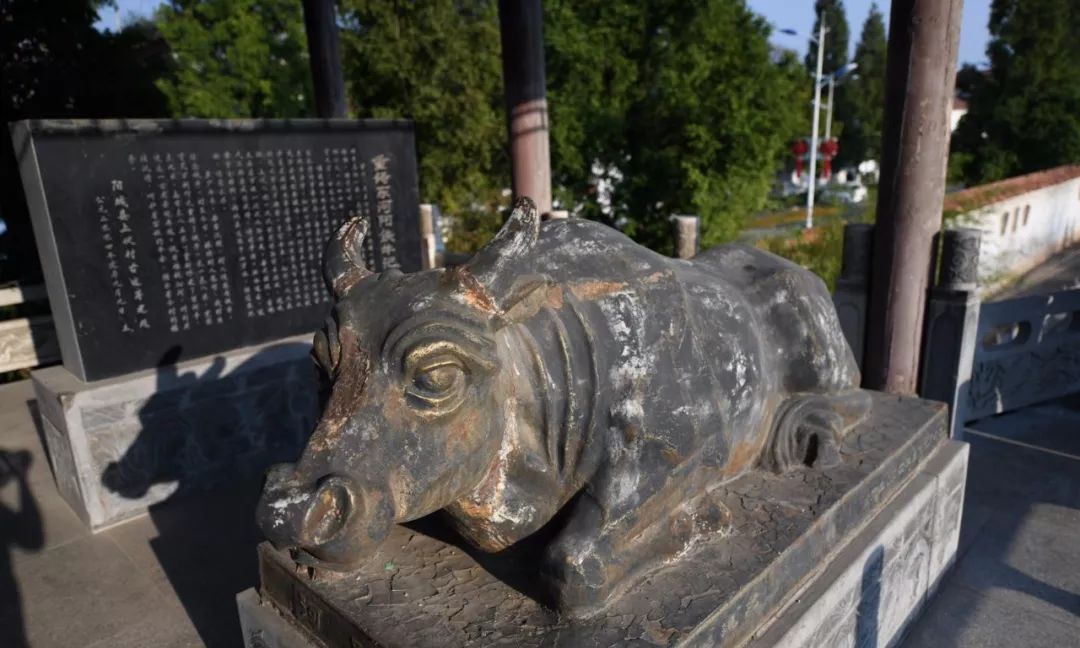
This city that has blessed people to be safe for generations has gradually formed a dead end in the trend of social development and is being forgotten by people.