According to reports, last week Guangdong Hongtu Technology announced that it had signed an agreement with Idra’s parent company Lijin Technology to provide 6,800-ton die-casting machines for NIO and Xpeng Motors. In addition, Guangdong Hongtu also stated that a 12,000-ton super die-casting machine is under development ( Tesla is currently using a 6,000-ton one-piece die-casting machine to produce the Model Y, and there are media reports that it will use an 8,000-ton one-piece die-casting machine to make chassis parts for the Cybertruck).
Compared to traditional chassis manufacturing where multiple small parts are welded, stamped and glued together, die casting helps reduce the number of parts required to manufacture a car, eliminates many of the steps typically associated with vehicle assembly, and can provide significant cost savings and To reduce the weight of the car, according to Liu Songsong, the former founder of LK Technology, his company is working with 6 Chinese automakers, but there are currently not enough qualified engineers in China to make the transition to die casting, and now, NIO and Xiao Peng has apparently solved this problem.
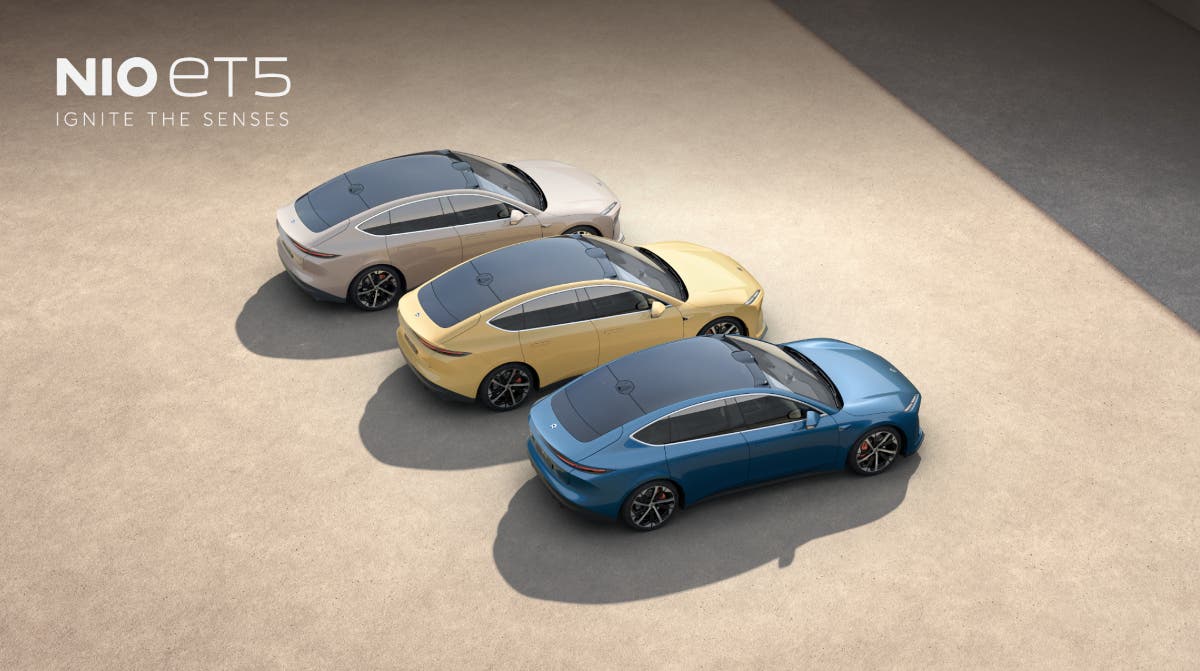
When NIO announced its new ET5 sedan last December, NIO founder Li Bin was asked by the media if his company planned to introduce a die-casting machine into its manufacturing process, and Li Bin said: “We are working on a rear subframe for the ET5. Using an integrated die-casting process” and after checking the ET5’s technical specs, we also determined that the car does feature an integrated hollow-cast aluminium rear subframe, saving around 13kg and an extra 11 litres in the trunk Space.
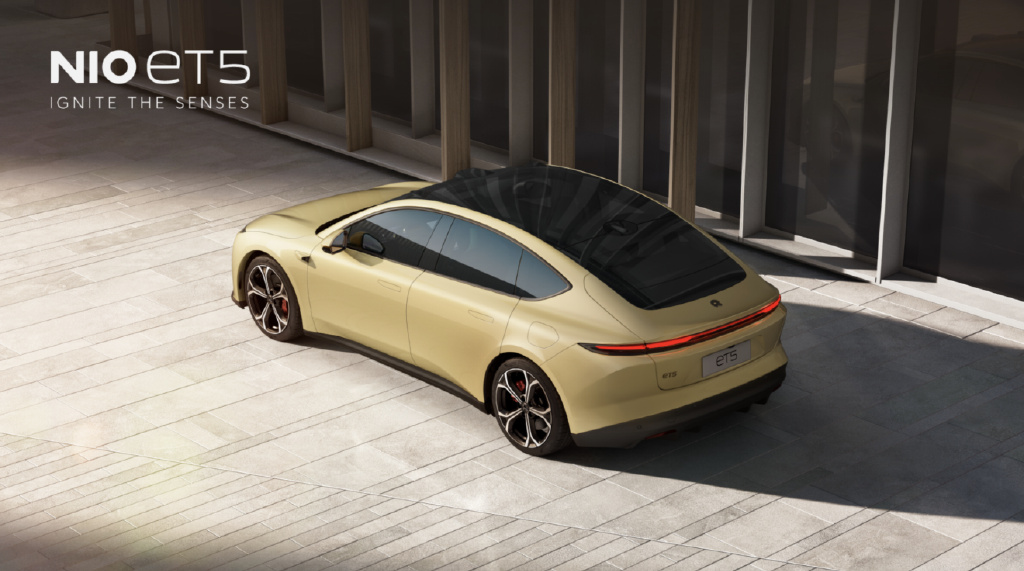
In addition to the use of die-casting technology, Li Bin also said that NIO’s new ET5 electric sedan will be delivered in China in the second half of this year and in Europe in the spring of 2023. Norway will become the first country to receive ET5. It is followed by Germany, the Netherlands, Sweden and Denmark.