
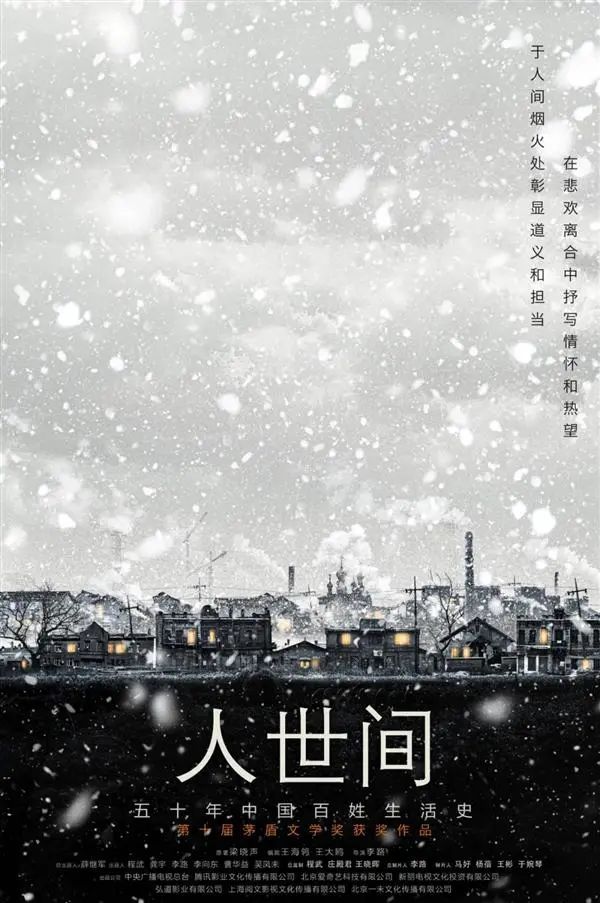
The 58-episode TV series “The World”, which was broadcast on CCTV’s prime time, is about to end. This TV series, adapted from Liang Xiaosheng’s novel “The World” of the same name, shows the ordinary “light characters” in Harbin in the 1960s and 1970s. The life scene of the common people: low and simple houses, dirty and messy living environment, and simple family and friendship between people. It was broadcast for nearly a month, and it touched countless Harbin people living in that era. Following the development of the plot, they kept looking for the people and things that happened around them.
The “light characters” in the novel are roughly located in the area of Tongda Street and Min’an Street today
Liang Xiaosheng was born at No. 13, Anping Street, Daoli District, Harbin City. Ha’an Broadcasting School, a primary school, and Ha 29 Middle School, a middle school, are both on Fushun Street. In 1962, his family moved to Guangren Street. After graduating from junior high school, Liang Xiaosheng went to the countryside and went to the Great Northern Wilderness. In 1974, he went to study at Fudan University. In 1976, he was assigned to the Beijing Film Studio, where he stayed for 12 years. Later, he went to work at the China Children’s Film Studio and taught at Beijing Language and Culture University more than 20 years ago.
Liang Xiaosheng said: “It was only once in two years that he went to the countryside to return home, and that journey was an unforgettable memory for him.” Walking out of the railway station, passing through Jihong Bridge, going uphill from the Children’s Cinema to Shangkan of Fushun Street, downhill is where my family lives. ‘Light’ word sheet. It was only after many years that I realized that the names of the streets where my family lived were Guangren Street, Guangyi Street, Guangli Street… The combination of them was what Confucius called ‘benevolence, righteousness, courtesy, wisdom and trustworthiness’. The person who named the street must have a deep understanding of Chinese traditional culture. After experiencing the vicissitudes of life, the spirit conveyed by those street names still affects me, which is also the open and inclusive urban spirit advocated by the city of Harbin. “
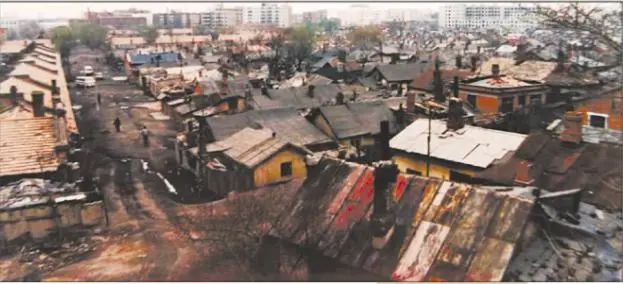
The place where Liang Xiaosheng’s family lived, that is, the “light character sheet” mentioned in the work, is probably the area surrounded by Xinyang Road, Tongda Street, Min’an Street, and Gongle Street today.
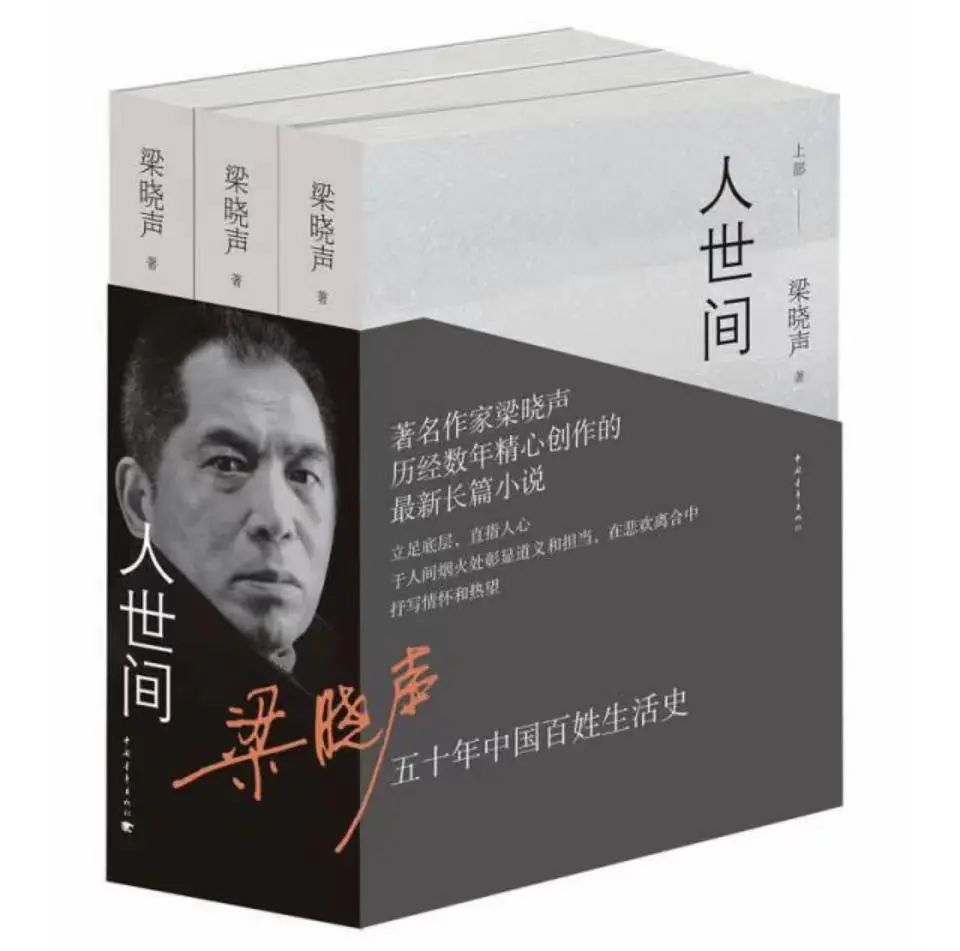
This work, Liang Xiaosheng has been brewing for a long time. He said: “I was born in Harbin, and I am familiar with the life of the people at the grassroots level in the city. I have always had a wish to write a work with a sense of time that reflects the life of the children of the city’s civilians. For many years, I have been feeling powerless and unprepared. I feel I have to start writing. I want to tell young people what happened in the past, so that they know what their parents were like when they were young, and the friendship between people at that time.”
The novel describes the struggles and choices of the three brothers and sisters of the Zhou family, including the life trajectories of his most familiar family members and friends, as well as the development and changes of Harbin in the past 50 years; not only the glory and dream of Chinese social development, but also the process of reform and opening up. difficult and complex. In this work, Liang Xiaosheng does not shy away from the pains experienced by the old industrial bases in the Northeast and the Middle East in the tide of reform and opening up. In the book, some people face the difficulties and embarrassment of enterprise transformation and layoffs in middle age, and there are also people who help each other and become self-reliant.
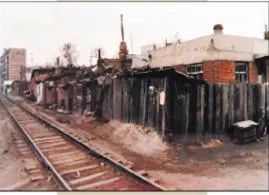
“The World of the World is my literary report on my hometown, and a summary of the 50-year history of my hometown. Most importantly, I will use a pen to draw a group portrait of my hometown’s fathers and villagers. The appearance of the Harbin people: bold, benevolent and righteous.” This is a gift from Liang Xiaosheng to the people in his hometown. I hope it can become a business card for people in my hometown, and readers from other provinces and cities can also learn about the lovely, kind, and responsible Harbin people of that era through this book.
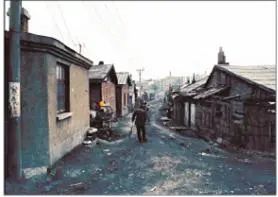
“The World” depicts the lovely, amiable and responsible Harbin people
Writers create realistic themes, which are usually closely related to personal experiences. The Zhou brothers and sisters and Zhou father described in “The World” have the shadow of Liang Xiaosheng’s brothers and sisters and their father. “My father was a construction worker who supported the third-line construction, and I grew up living in novels. The ‘light-shaped’ street mentioned in the book.” Liang Xiaosheng’s home was not bad at the time, with two square adobe houses and a “small garden” one meter wide and two meters long outside the door. My father works as a construction worker in the Great Northwest and sends them money on time every month. My mother raises 5 children by herself. Liang Xiaosheng said that at that time, I never dreamed that life would become what it is now.
” The background of my works has always been in Harbin. The main reason is that I have deep feelings for it. The relationship between a person and the city is mainly based on his childhood experiences and impressions, every building, every street. There is a breath of life coming to the face, “The World” is the most tiring work of all the long works in my literary career.” Liang Xiaosheng said.
Liang Xiaosheng said that in China from the 1960s to the 1980s, young people today know very little. They should cross the cognitive blind spot and understand the experiences of their parents’ generation, how they came through in such a special era, and how they view the relationship between interests, friendship and family affection. “
The true, kind and beautiful family-neighbor relationship shows the optimism and tenacity of Harbin people
In that era, the thing that made Liang Xiaosheng happiest was reading. “My brother likes to read books. He is 6 years older than me, and he often borrows books to go home. When other children are reading picture books and fairy tales, I follow him to read War and Peace.” After having pocket money, he started Go to the little bookstore. “One or two cents can look at the thin, and three cents can look at the thick.”
Later, Liang Xiaosheng and his younger brother also set up a small book stand on the street, so that they could make a few cents for others to read a book. One day, they were setting up a stall, and the police and people from the street came to check the hygiene, and their little book was confiscated. In the evening, after the mother heard about it, she came to the police station to explain the situation. The police officer did not embarrass her, and quickly sent back the confiscated villain book in person.
It costs seven or eight cents to buy a book. In order to buy books, Liang Xiaosheng went to pick up scraps with his friends. Plastic hairpins, shoe soles, toothpaste peels, broken glass, iron wire… These can all be exchanged for money. There is an uncle in the neighbor’s house who collects junk. During the “Cultural Revolution”, he collected a lot of books. At that time, Liang Xiaosheng loved to visit his house. Reading “Seven Heroes and Five Righteousness”, reading literary works, and indulging in the world of books can make Liang Xiaosheng forget the troubles in life.
After Liang Xiaosheng went to the countryside, his elder brother was sick and had no income all the year round, and his younger brother went to work at the Zhengyanghe Timber Factory. The younger brother’s co-workers learned of their family’s predicament and often provided various help in life. To this day, Liang Xiaosheng is still grateful for the help these ordinary people have given to his family.
Half a century has passed, and Harbin has undergone earth-shaking changes. The low and dirty “light characters” have long been replaced by modern blocks. Many times, Liang Xiaosheng sighed: “I can no longer find my way home. Harbin people who exercised, danced, walked, photographed, listened to symphonies and even painted paintings can be seen everywhere in the street parks. The cultural atmosphere of their hometown makes people nostalgic. I Consider whether the family should move back to Harbin and spend the rest of their life here.”