
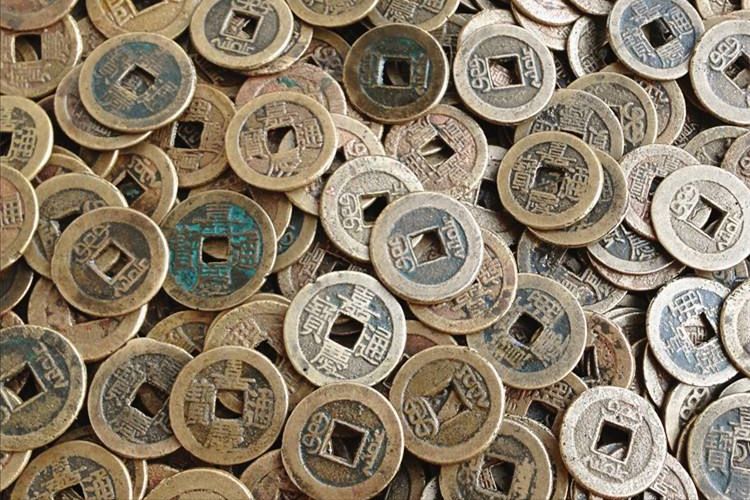
Today we briefly talk about the types of metals used in coin casting in ancient my country. The metal coin in my country was the first copper shell, which began in the Yin and Shang dynasties. The vast majority of currencies from the Yin and Shang dynasties to the Yuan dynasty were made of bronze. As a raw material, bronze mainly refers to an alloy of copper, lead, and tin.
There will be very few coins made of gold, silver and pure copper. In addition, there are pure iron coins and pure lead coins that are of relatively inferior quality. I also mentioned before, until the Ming Dynasty. A very significant change has taken place, gradually changing from bronze to copper, lead, tin, and zinc alloys, that is, adding a metallic zinc.
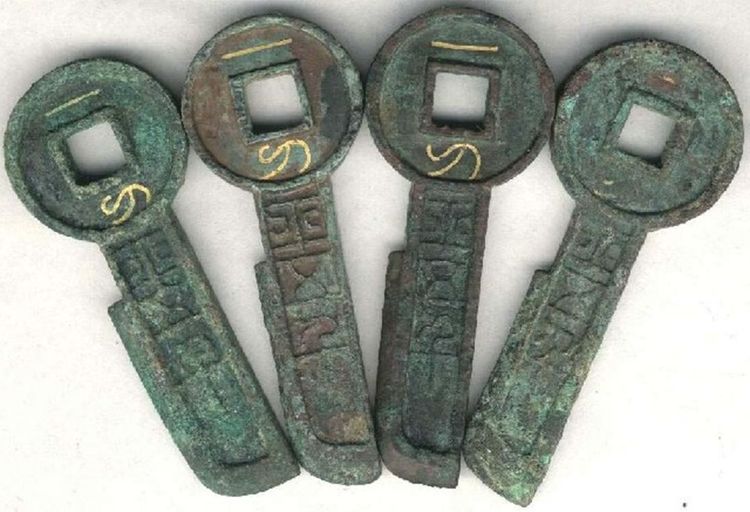
Finally, starting from Jiajing, it gradually transitioned to an alloy of copper and zinc, which is what we are now talking about using brass to cast coins. In fact, the Ming Dynasty was an important dividing line for the changes in the metal material of ancient currency casting in my country. There are also many terms that require us. Come to understand.
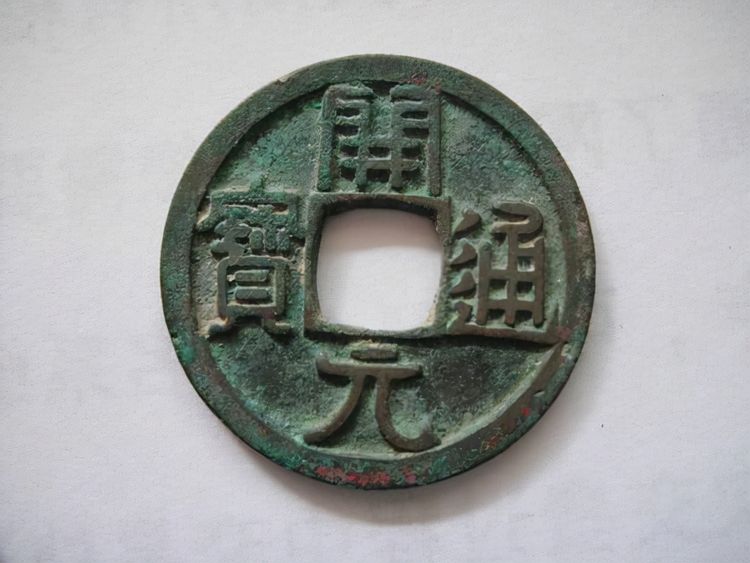
For example, there are two-fire brass, four-fire brass, water tin, gold shell money, fire lacquer money, etc., and you can fundamentally distinguish some coins through the changes in the copper used for casting in ancient my country. The authenticity, such as the bronze coins used in the Yin and Shang Dynasty to the Yuan Dynasty.
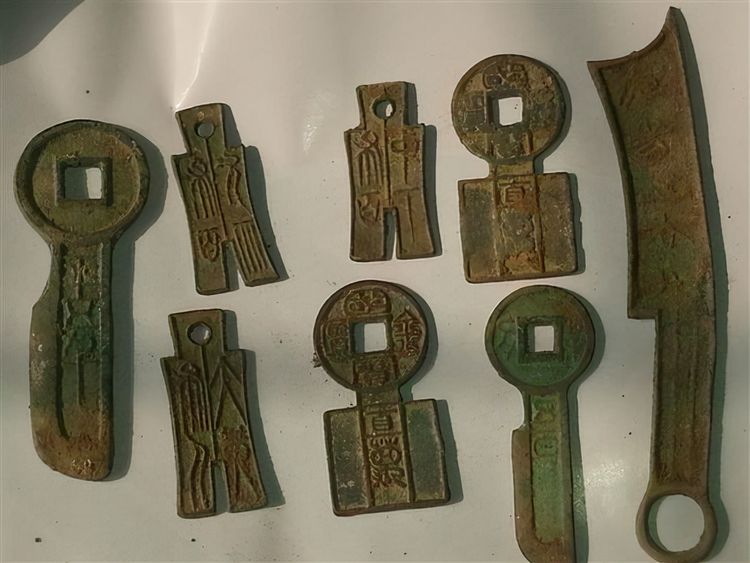
If you find that the dynasty used pure brass, that is, coins made of copper and zinc alloy, then it is very likely to be counterfeit, counterfeit, that is, it is now minted, so it is said that it is based on the metal composition of the coin. One judgment can also simply judge the authenticity of the coin.