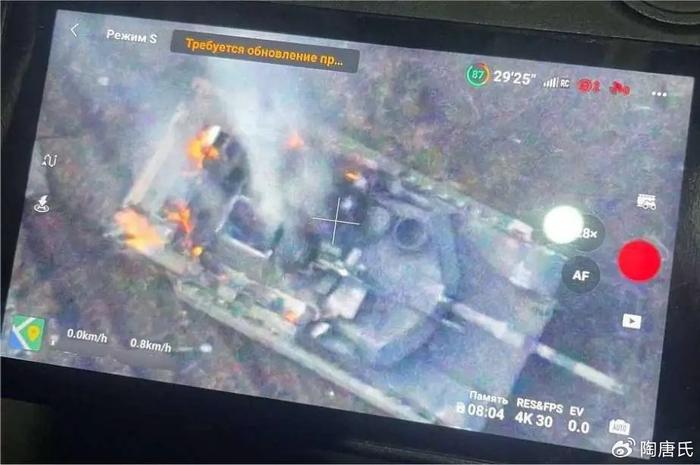
Since the Nagorno-Karabakh conflict and the Russia-Ukraine conflict, how to counter drones has become a question that the armies of various countries, especially the army, need to think about. This is particularly prominent in the Russia-Ukraine conflict. The flying patrol bombs, shuttle drones (FPV drones) and DJI small drones with bombs have caused serious losses to both Russia and Ukraine, especially For armored forces, even NATO tanks, which are known for their defensive capabilities, will lose their combat effectiveness if hit by an FPV drone on the roof.
The Ukrainian M1A1SA tank destroyed by the Russian FPV drone and Lancet cruise missile
China is a major UAV country, and naturally it is also a major anti-UAV country. Although anti-UAV technology has been demonstrated at the previous Zhuhai Air Show, it is not mainstream. At this Zhuhai Air Show, many factories and colleges have come up with their own anti-drone solutions, which can be described as a dazzling array of everything. Several major manufacturers: weapons industry, weapons and equipment, aerospace science and technology, aerospace science and industry, and China Electronics Technology have all come up with their own anti-drone equipment systems.
Anti-aircraft guns and missiles
For traditional self-propelled anti-aircraft guns and anti-aircraft missiles, shooting down drones is not a problem, the problem is finding the drones. Loitering missiles, shuttle drones, and DJI drones all have the characteristics of slow flight speed, low flying altitude, small size and weak signal. They are “low, slow and small” targets. However, most current field air defense systems use radar fire control. Aimed at large high-altitude and high-speed targets such as traditional fixed-wing aircraft, cruise missiles, and helicopters, the system can easily ignore low, slow, and small signals as ground clutter. And even if it is discovered and attacked, facing multiple targets, the self-propelled anti-aircraft gun is likely to miss the other and be unable to intercept them at all, while the missiles will quickly run out of ammunition and can only stare.
Moreover, Ahad ammunition used for air defense is not cheap. If it is shot at a short point, the price of firing the shell may be more expensive than that of a drone.
The solution of the Chinese military industry is to use specialized active phased array radar and photoelectric system for low, slow and small targets to detect the target, then move the close-in defense gun onto the vehicle and launch a large number of barrages at the fastest speed to intercept the drone, 625E Self-propelled anti-aircraft guns have this idea.
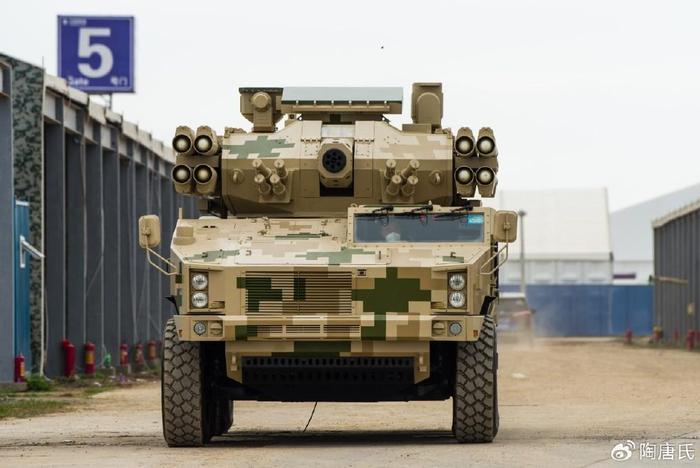
The main gun of the 625E self-propelled anti-aircraft gun is a close-in anti-aircraft gun, with a phased array radar and photoelectric system on the top. There are also four anti-aircraft missiles on both sides of the vehicle body. Its idea is similar to the air defense system of important ground.
Another idea is to develop small-diameter air defense missiles specifically targeted at UAVs. To deal with small UAVs, a large warhead is not required. This reduces costs and increases the number of missiles that the air defense system can carry. FK of the Aerospace Science and Industry Corporation The -3000 air defense system is a representative work.
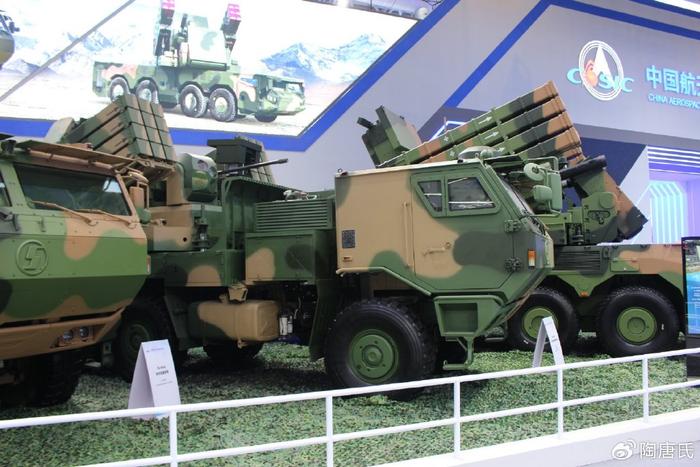
If the launchers on both sides of the FK-3000 use small-diameter missiles, it can be equipped with 96 anti-aircraft missiles
The Aerospace Science and Industry Corporation's Hongqi-17AE fire support vehicle (unmanned vehicle) also has this idea. It even integrates omnidirectional electronic interference equipment with a maximum interference distance of 30km.
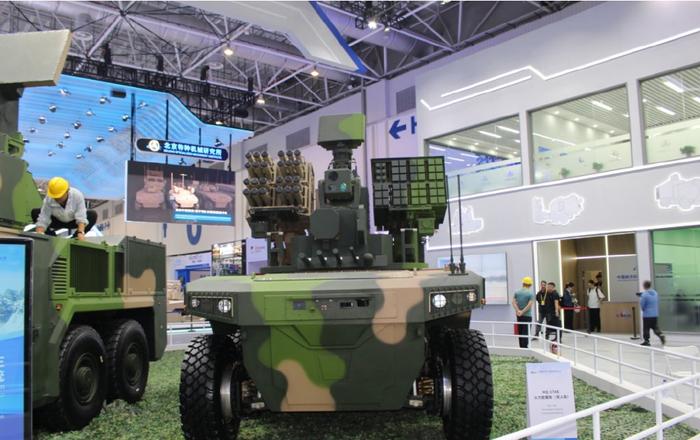
The Hongqi-17AE fire support vehicle (unmanned vehicle) also has an optoelectronic fire control system. When facing slow and small targets, optoelectronics are more useful than radar.
The Aerospace Science and Industry Corporation's FK-2000 missile-cannon combined weapon system has two Gatling cannons and 16 missiles.
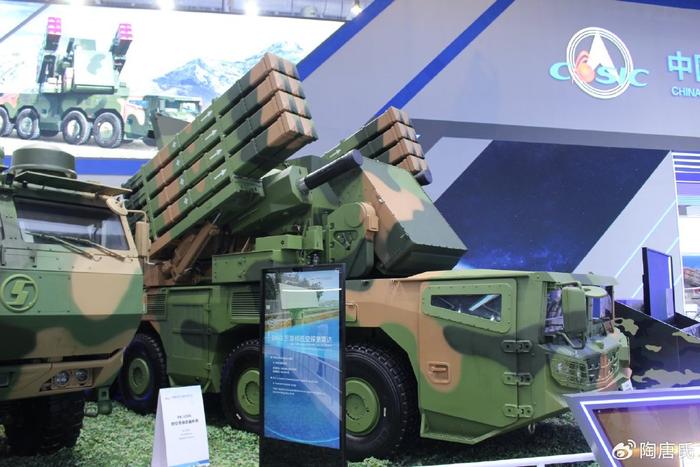
The shock brought by the two Gatling cannons is still great.
Laser and Microwave
Laser weapons and microwave weapons are both directed energy weapons. They are currently the two most popular non-kinetic means of hard destruction of UAVs. Compared with traditional anti-aircraft guns and missiles, lasers have fast response speed, fast firing rate, and ammunition. It has the advantages of large reserves, adjustable power, and low collateral damage. At present, all major countries have developed corresponding products, such as the American Stryker laser air defense vehicle, the Russian Peresvet laser air defense weapon, the Israeli Iron Beam system, the British “Dragon Fire” laser weapon system, etc.
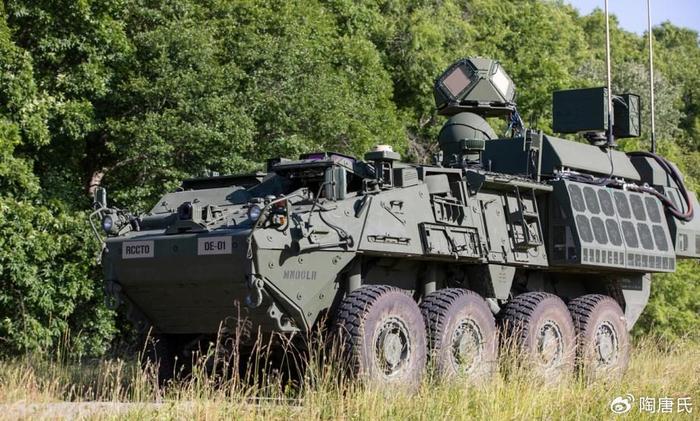
American Stryker laser anti-aircraft vehicle
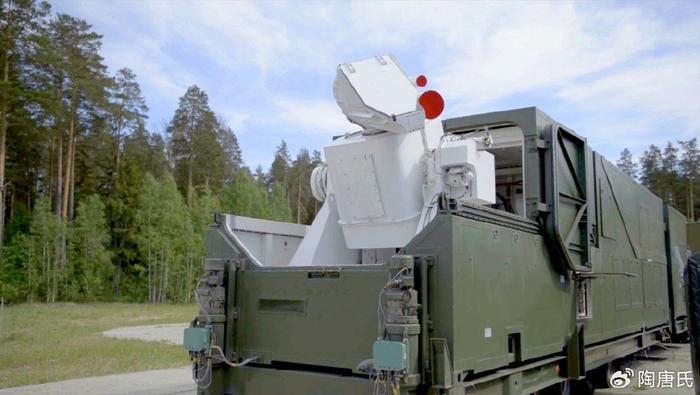
Russian Peresvet laser anti-aircraft weapon
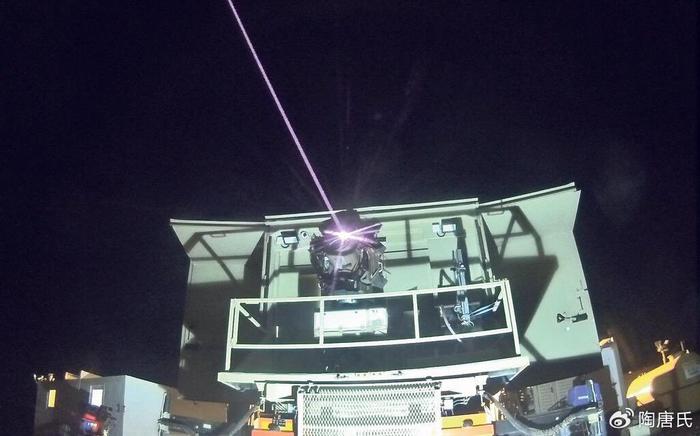
Israeli iron beam laser air defense system
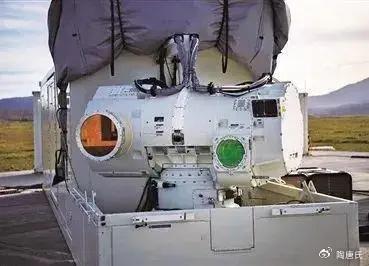
British “Dragonfire” laser weapon system
China's laser anti-drone technology is very mature, and related products have been sold to Saudi Arabia and Iran, and have actual combat records in Yemen. This air show also has a large number of laser weapons, and various units are vying to come up with products, and the competition is quite fierce.
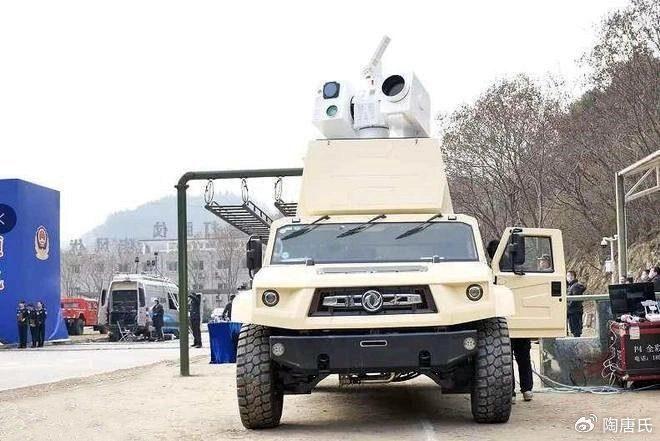
The Chinese Shennong Shield 3000 laser air defense device that appeared at the speech of the Supreme Leader of Iran is still a private enterprise product.
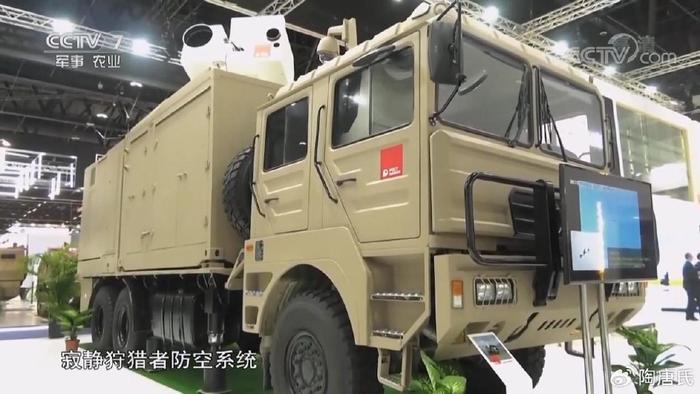
The Silent Hunter laser air defense system exported to Saudi Arabia is a product of Poly.
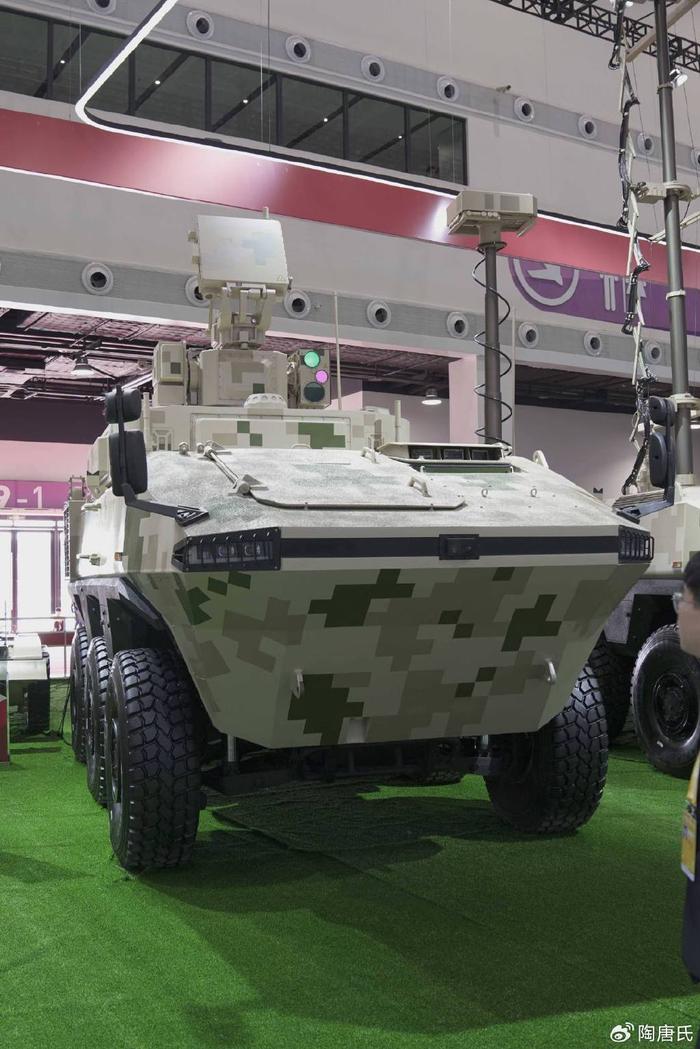
The Ordnance Industry's VE38 terminally guided integrated protective vehicle based on the VN-22 chassis is equipped with an anti-drone laser, and the power is very high, with a 10 kilowatt, or 10,000 watt laser. And this is just one of its functions, the vehicle is designed for the entire formation to counter drones.
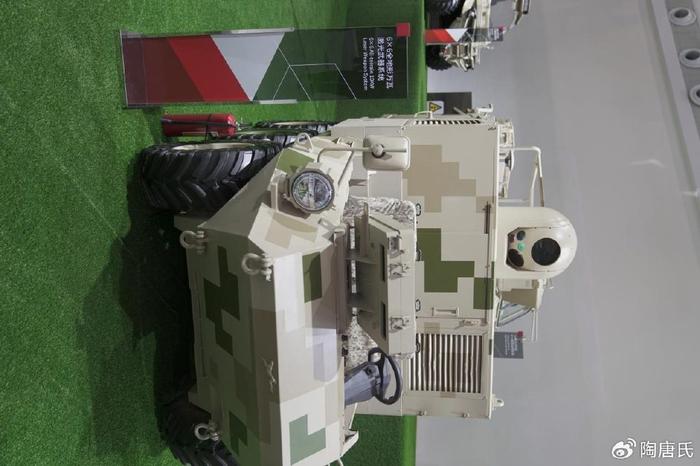
Ordnance Equipment Group’s Bobcat laser anti-drone vehicle
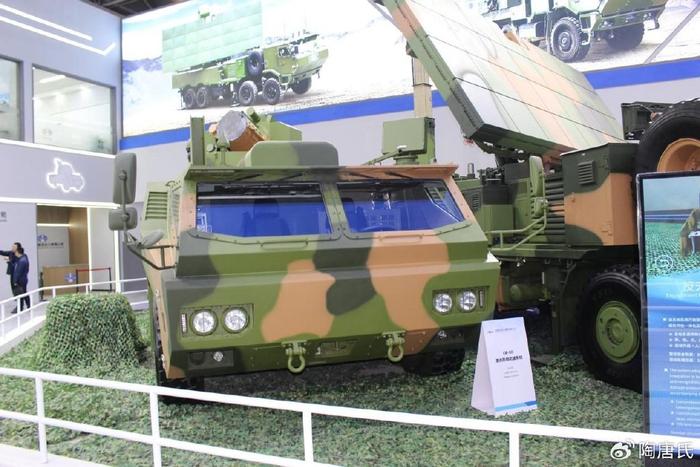
Aerospace Science and Industry Corporation LW (should be the abbreviation of laser weapon)-60 laser defense weapon system
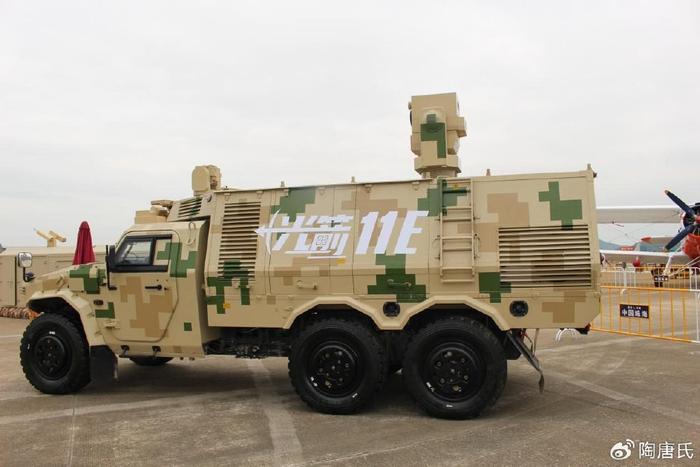
AVIC’s Light Arrow series laser anti-UAV system
Microwave weapons are a popular anti-UAV equipment at this year's Zhuhai Air Show. They emit high-power microwaves to produce electrical, thermal and biological effects on targets. It can burn the electronic components inside the drone and shoot it down. The advantage is that it has wide coverage, is a range attack, and has high killing efficiency, almost “death by light”. It is the best weapon to deal with swarm drones. And because it is a physical killing, the microwave does not care whether the drone is remotely controlled, fiber optic, or controlled by satellite. As long as the circuit is not sufficiently shielded, it will be burned. The disadvantage is that it does not distinguish between friend and foe, and is also lethal to one's own electronic equipment and personnel. At present, it mainly relies on controlling directivity to avoid this problem.
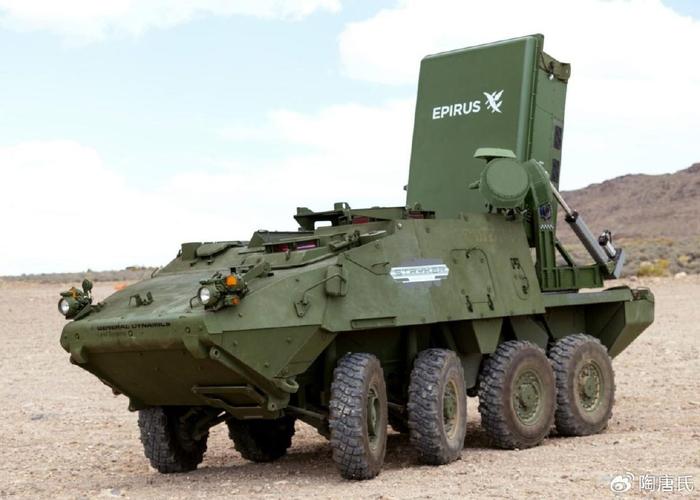
Leonidas high-power microwave weapon system from US startup Epirus
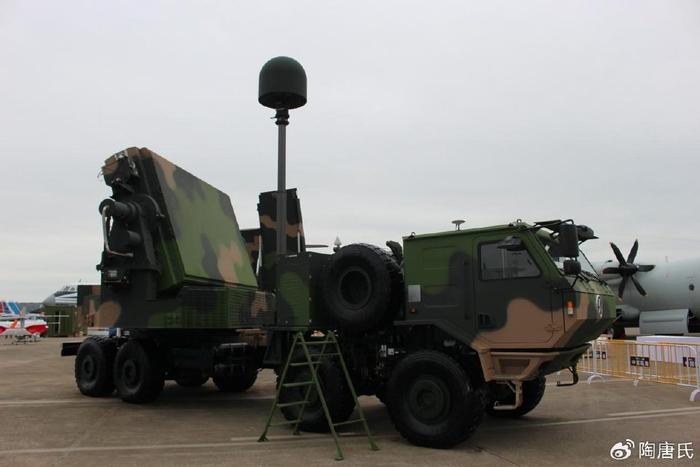
AVIC’s high-power microwave weapons
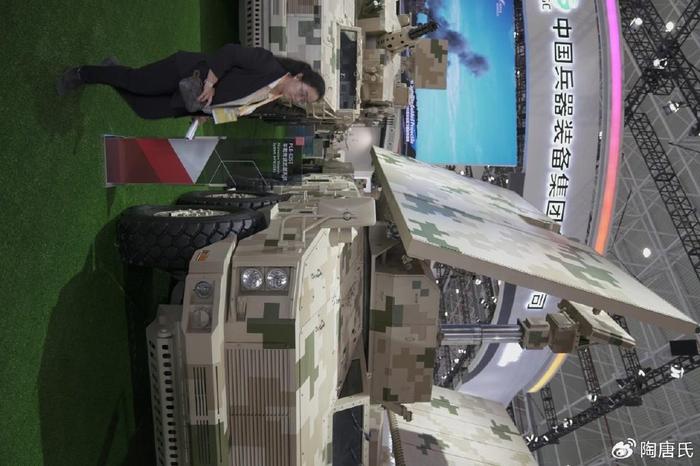
The PLB-625E vehicle-mounted microwave weapon system of the Ordnance Industry is the same as the 625E self-propelled anti-aircraft gun. Shoigu stood in front of it for a long time.
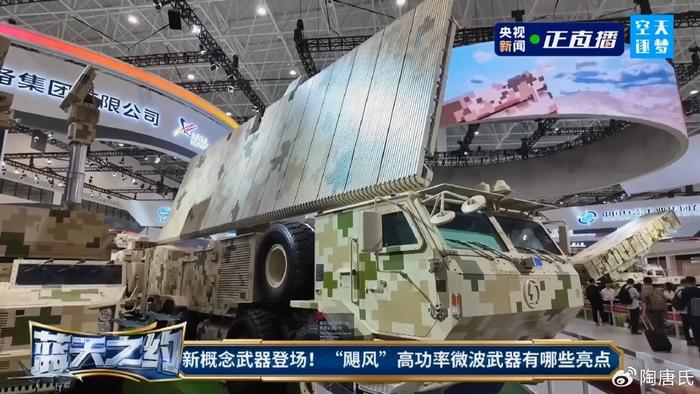
The “Hurricane 3000” power microwave weapon of China's weapons and equipment, 3000 represents a range of 3000 meters
electronic interference
Wherever there is hard kill, there is soft kill. The main means of soft kill is electronic jamming, which can cut off the connection between the drone and the operator, making it impossible for the operator to operate the drone, or even seize control. Finally, the drone loses control and crashes. . There are also some jammers that interfere with the GPS navigation system inside the drone, causing the drone to lose its accuracy and deviate from the target. At present, various anti-UAV jammers and anti-UAV guns are very common on the Russian-Ukrainian battlefield, and some of them are products of our country.
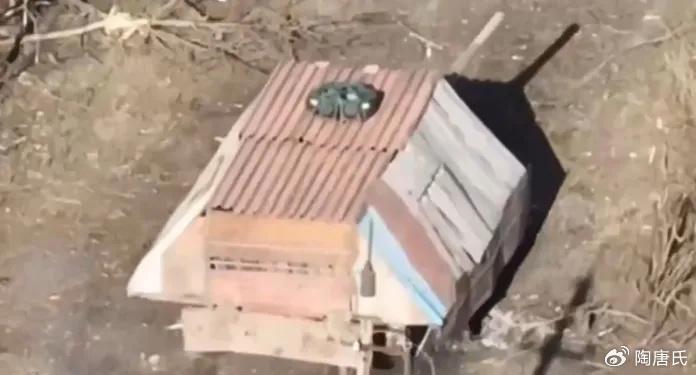
Drone jammer on Russian siege tank
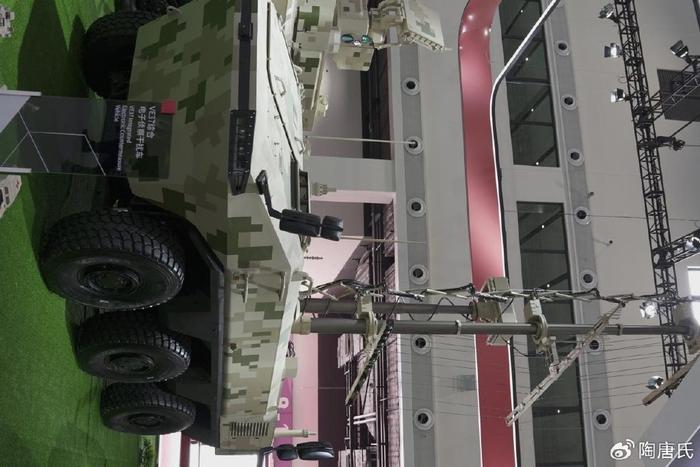
The Ordnance Industry VE37 comprehensive electronic reconnaissance and jamming vehicle, in addition to jamming, can also electronically trace the source, that is, find where the drone operator is, and then guide the artillery to carry out strikes.
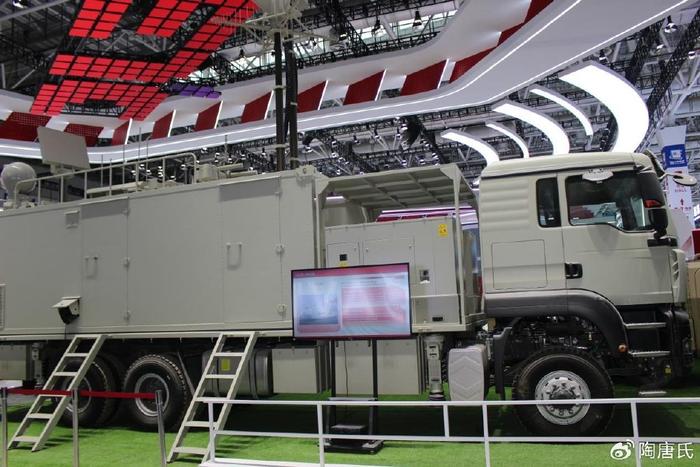
China Electronics Technology Co., Ltd.'s JN1101 light communication countermeasures system reconnaissance and direction finding jamming station (anti-UAV)
Each manufacturer has come up with its own anti-UAV system, including a combination of command and control systems, missiles, cannons, lasers, microwaves, and even individual jammers. It is true that the booth personnel of various manufacturers also admitted that the price of this anti-UAV system is very high, and its interception target may be small UAVs of the aircraft model level, giving people the feeling of killing a chicken with a butcher's knife. But this cannot be just an economic calculation. Otherwise, if a model aircraft is smashed and damaged a main battle tank, a fighter jet, or even important infrastructure, the casualties and political impact caused by it are unacceptable in today's highly developed Internet environment. of. It is better to spend more money than to ensure that nothing goes wrong – this idea is worth spending no matter how much money is spent by military and political decision-makers in various countries. As long as you can stop it, public opinion will say that you are awesome.
The popularity of drones does not mean that other weapons will die, such as the “death of tanks theory” that has been mentioned again. This is just part of the spiral of military technology. The widespread application of drones will inevitably spawn a corresponding wave of anti-drone technology. The two sides are chasing each other and competing with each other, just like tanks and anti-tank weapons in the past. Today, both offense and defense on the Russian-Ukrainian battlefield are still inseparable from tanks. Drones will be indispensable on the future battlefield, but they will not dominate the battlefield “all over the world”.