(Reprinted from: European Mergers and Acquisitions and Investments)
ThyssenKrupp launches a new foundry, one of the largest modernization projects in the company's history
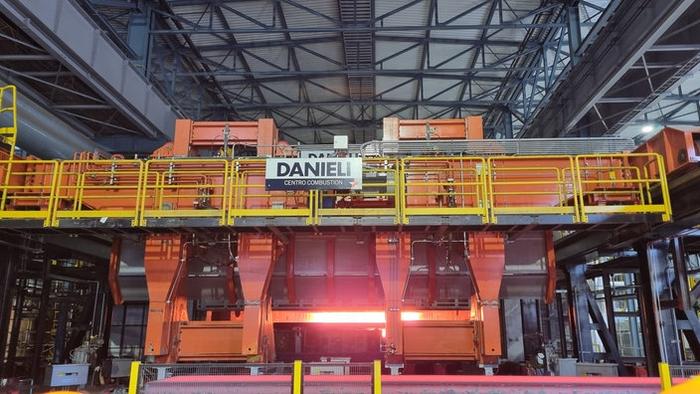
Steel production requires far more than billions of euros blast furnaces, and raw materials must be further processed.to this end,Thyssenkrupp Steel Company has built a new set of continuous casting equipment.In this installation,The steel water is heated and cast into a steel billet (slab), and then cut and temporarily stored in a modern slab library, or sent to a newly built hot-rolled strip production line. On the hot rolling line, the slab is rolled at high temperature into steel plates or steel strips.
Dannis Grimm, spokesperson for the board of directors of Thyssenkrupp Steel, said: “This new equipment is an important step for us to ensure the future of our business. We believe in the potential of this production base and we believe that through this new facility, we canSignificantly enhance product competitiveness. ” He stressed,This new facility can produce extremely high-quality steel products.
From cast iron to steel plate, the entire process involves multiple complex steps and requires repeated heating.During this process, if the technology is not strictly controlled, impurities may appear inside the steel, and defects will eventually form on the product surface.For example, a projection is formed on the fender of a car. Because of this, high-end equipment is crucial to ensuring product quality.
But new equipment alone cannot save ThyssenKrupp Steel's plight.The company is in crisis for many years and is planning a comprehensive transformation.Management proposed in the latest labor and capital negotiations,Transformation requires the participation of all employees – including large-scale layoffs and the need for employees to give up benefits such as salary increase and leave, which is expected to save 200 million euros per year.
Although in principle, the restructuring is supported, the trade union and the Joint Labor Commission believe that this direction is unreasonable. “This is clear because the current policy environment is not optimistic,” said Dirk Riedel, a representative of IG Metall.Currently, global steel prices continue to be sluggish, and fierce competition from China and India has also put pressure on German steel manufacturers.Against this background, the “good news” of the start of production of this new processing equipment may become even less common in the future.
