
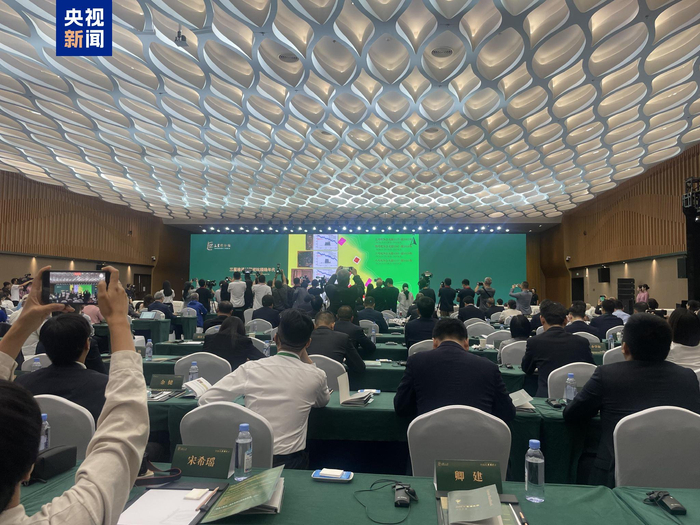
Today (27th), the 2025 Sanxingdui Forum with the theme of “Mutual Learning of Civilizations from the Perspective of Archaeology” opened in Deyang, Sichuan. During the forum, the Sichuan Provincial Institute of Cultural Relics and Archaeology released the latest results of seven multidisciplinary research on the Sanxingdui site, further clarifying that the burial date of the sacrificial pit was in the late Shang Dynasty, and the unique “core bone-striped core support” technology in bronze casting was released for the first time, providing strong evidence for revealing the diversity and integration of Chinese civilization.
The exact age of the sacrificial pit in Sanxingdui site
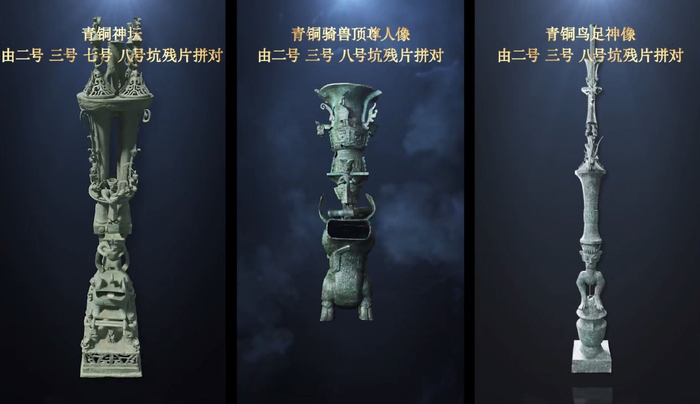
After joint research by Sichuan Provincial Institute of Cultural Relics and Archaeology and Peking University, through the Carbon 14th Chronicle, the probability of the burial period of the No. 3, No. 4, No. 6 and No. 8 sacrificial pits had a 95.4% chance of being buried between 1201 BC and 1012 BC, which was equivalent to the late Shang Dynasty. Fragments of the same artifact that can be spliced in pits 1, 2, 3, 4, 7 and 8 are found, indicating that the burial age is the same. This achievement provides an important basis for clarifying the age of the sacrificial pit and building the framework of the fine age of the site.
Sanxingdui Bronze Innovative Casting Technology
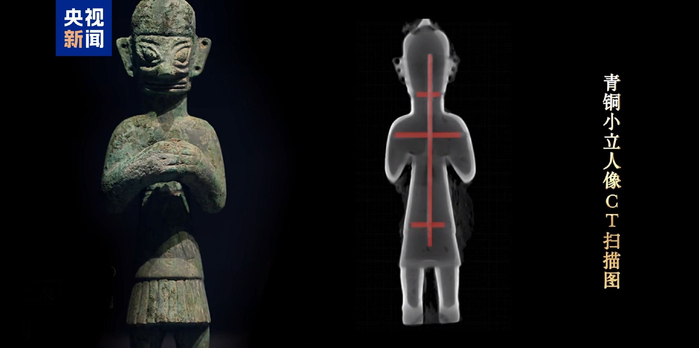
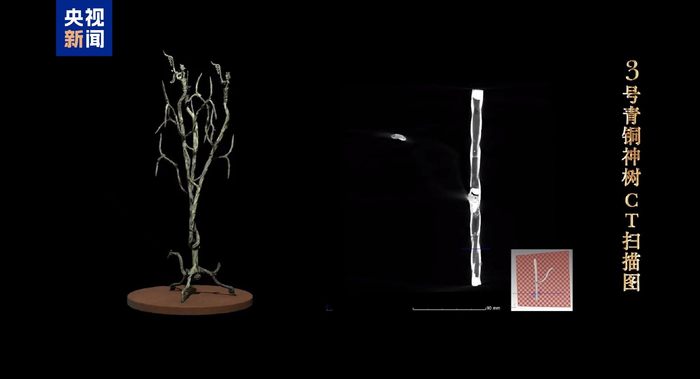
After joint research by Sichuan Provincial Institute of Cultural Relics and Archaeology, Palace Museum, Beijing University of Science and Technology and Joseph Needham Institute in Cambridge, England, a new understanding of the bronze casting process has been gained. Research shows that in the late Shang Dynasty, Sanxingdui bronzes formed an innovative casting technology system with divided casting as the core and both mould casting and forging. The unique “core bone-striped core support” technology effectively solves the molding problem of slender and curved objects. In the existing technical framework, Sanxingdui shows unique technological innovation and localized expression. This achievement not only deepens the overall understanding of the ancient Chinese bronze casting system, but also provides new evidence for revealing the diverse and integrated pattern of Chinese civilization and the mechanism of world bronze technology and cultural exchange.
Important discoveries have been made in multiple multidisciplinary research
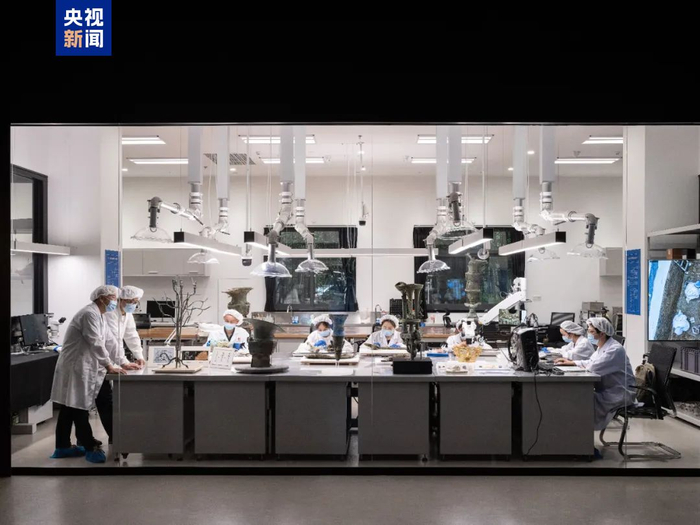
In addition to the above two research progress, there have also been important discoveries in five aspects, including gold making technology, copper painting technology, pottery production standardization, rice cultivation methods, and ivory protection technology unearthed from the Sanxingdui site.
Among them, the amount of gold used at the Sanxingdui site is estimated to exceed 2 kg, and China has no match for the same period. The goldware at the Sanxingdui site are all gold and silver alloys, and the source may be relatively stable sand and gold mines, and they are refined by ash blowing method. The gold mask is not only used for human avatars, but also for masks.
The painted bronzes at the Sanxingdui site use cinnabar and lacquer as raw materials, and are the earliest copper-tied lacquerware in China. Using lacquer technology as a cultural link reveals the close connection between the Sanxingdui site and the Jinsha site.
The number and particle size of small flat-bottomed pots and materials in the late Shang Dynasty of the Sanxingdui site have changed significantly, and the proportion of the instrument body and the oral edge shape have also begun to show a high standardization trend.
Sanxingdui Ruins The ancient Shu ancestors of the early Shang Dynasty established an agricultural form with intensive wetland rice farming as the main body. The high-density population supported by this provided sufficient guarantee and impetus for the rapid rise of the Sanxingdui Ruins.
Based on mastering the current preservation status, diseases and deterioration mechanism of ivory unearthed from the Sanxingdui site, on-site protection technology and dehydration reinforcement technology have been developed to enable unearthed ivory to be preserved and displayed in a conventional environment.
It is understood that in the next step, Sanxingdui will continue to promote archaeological excavation, cultural relics protection and multi-disciplinary research on the site, explore the unknown and reveal the origin, and do a good job in excavating, sorting and interpreting the archaeological achievements of the Sanxingdui site, and show the brilliant ancient Shu civilization and the diverse and integrated Chinese civilization.
(CCTV News)