
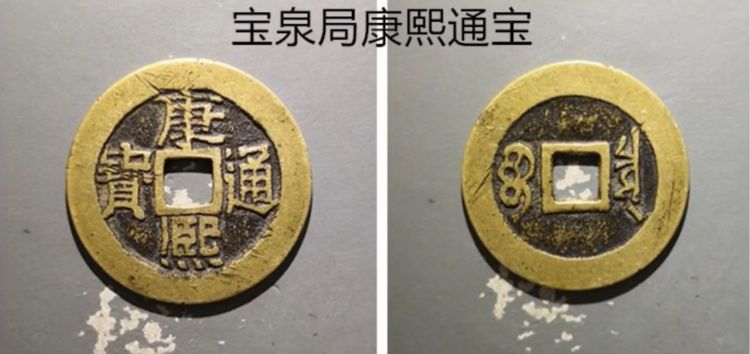
I talked about the three stages of coin minting in the Kangxi Dynasty. I believe everyone has a certain understanding and understanding of why Kangxi Tongbao coins appeared in different sizes. A friend asked a very good question. I also talked about the Kangxi Dynasty before. From the first year of Kangxi to the 23rd year of Kangxi, the Kangxi Tongbao coin it cast was commonly called heavy money, and its weight was one coin and four cents.
The Kangxi Tongbao coin minted after 41 years of Kangxi is also one coin and four cents, so can we distinguish the coins minted in these two stages? In fact, we can see one or two by combining the Kangxi Tongbao money with the Shunzhi Tongbao money of the previous dynasty, and the Yongzheng Tongbao money of the next dynasty.
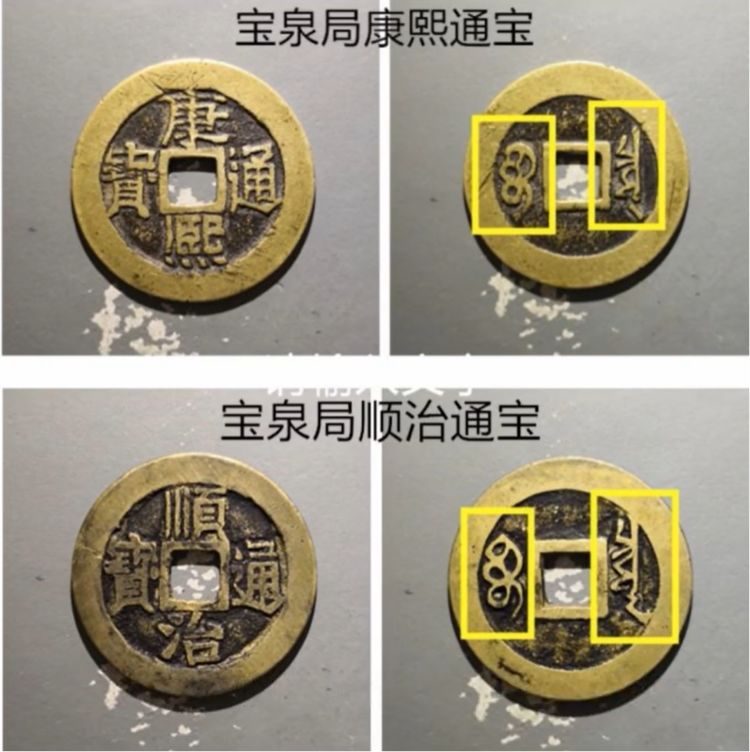
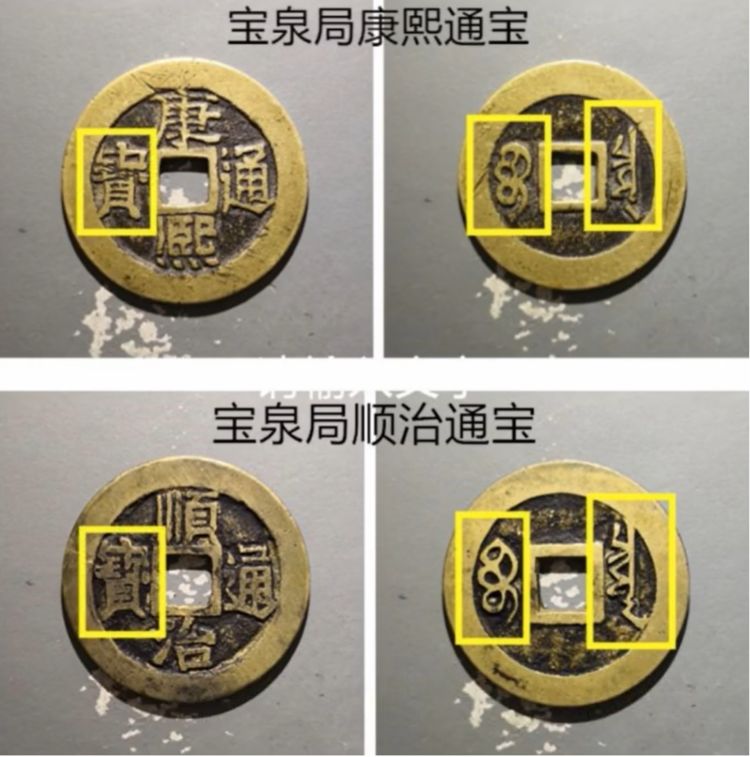
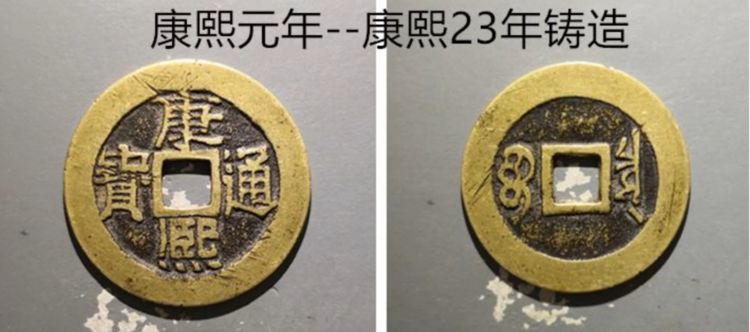
First of all, let’s talk about the Kangxi Tongbao Money. Take our most common Baoquan Bureau as an example. The money is made according to the Shunzhi four-style system. Whether in the face or the Manchu on the back, it should follow the Shunzhi four-style style. You can look at the comparison chart of the two coins in the picture. It is obvious that the styles of this type of layout Kangxi Tongbao and Shunzhi Tongbao are very similar. The main feature is that Manchu is presented in Juan Manchu instead of what we are now. The style of the common straight Manchu characters is also very similar, and the weight itself is close to a quarter of a coin, which is our current 5.33 grams, and this type of Kangxi Tongbao Qianqi casting can be basically judged. The time is from the first year of Kangxi to the 23rd year of Kangxi.
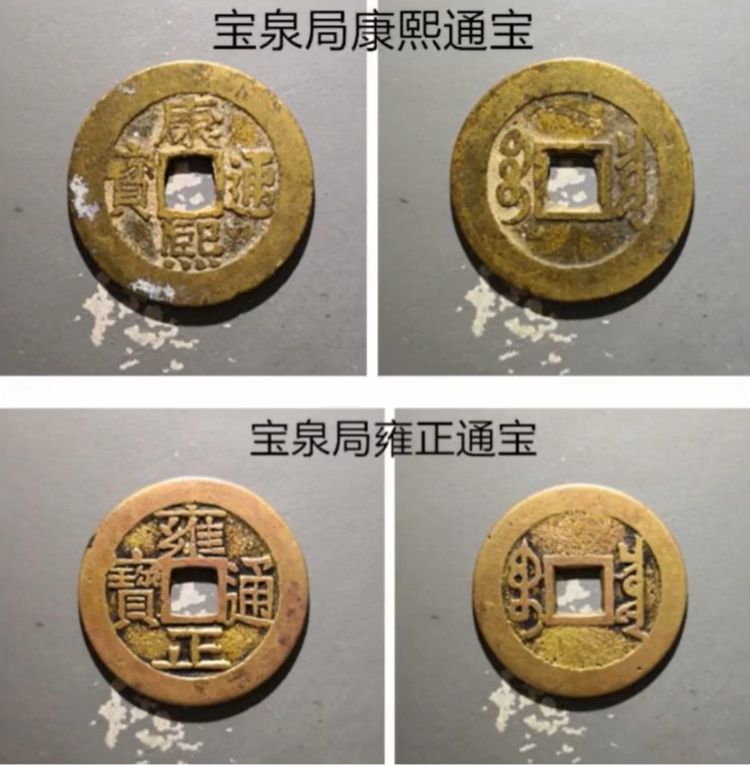
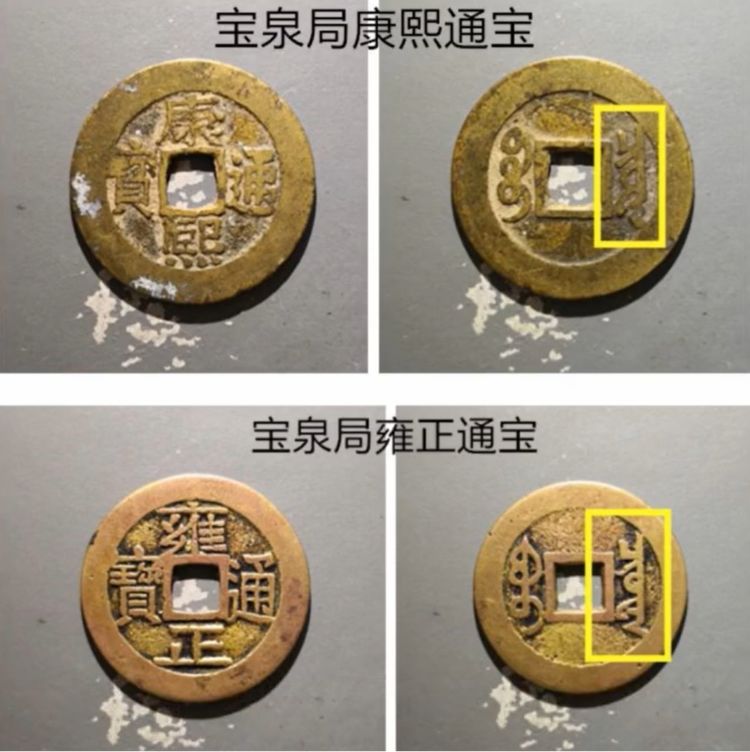
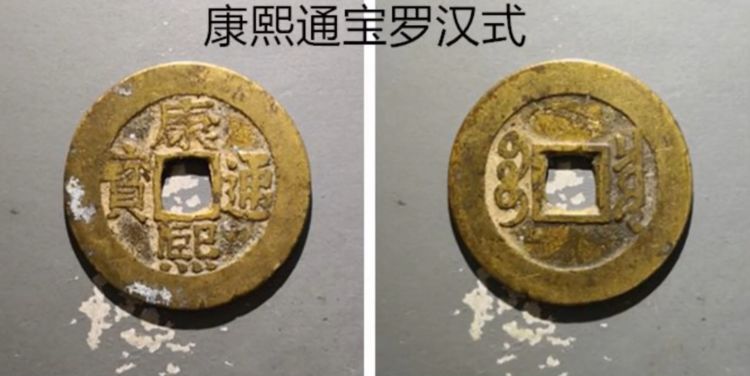
In addition, the heavy money made after the 41st year of Kangxi can be judged by comparing it with the Yongzheng Tongbao money in the later dynasty. The Manchu on the back is completely different from the Juan Manchu we talked about before. It presents the straight Manchu. One form, the Kangxi Tongbao heavy money cast in this period, the most representative of which are the Kangxi Ren Zubao format and the Kangxi Arhat style format.
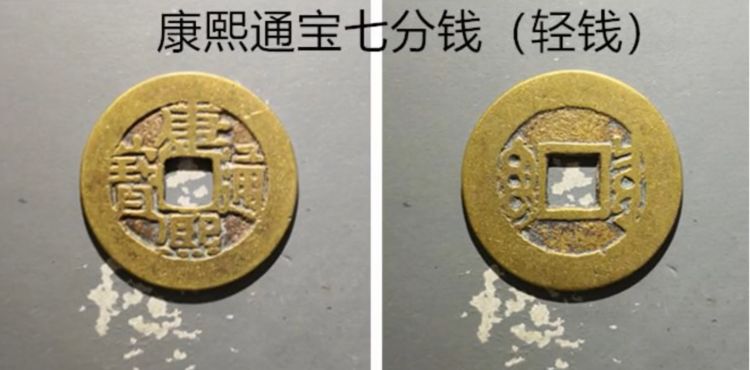
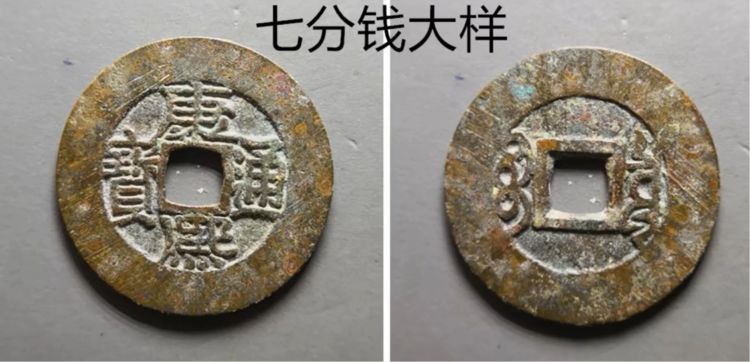
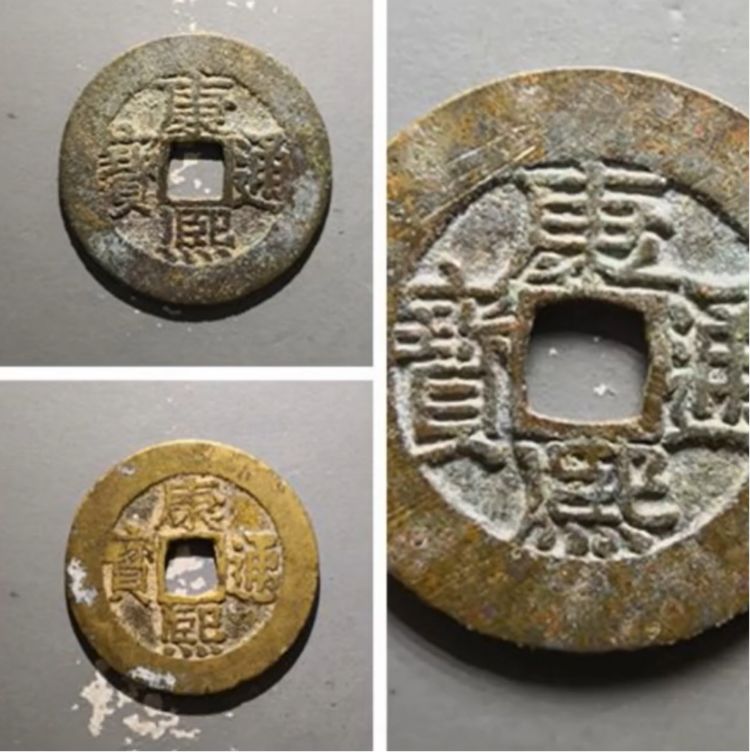
One more point, because after the 41st year of Kangxi, money is heavy and money is light, which is what we now commonly call Kangxi seven cents coined and circulated in parallel, so there are a lot of Kangxi seven cents that we see now, without exception. They are all in line with the characteristics of the text I mentioned above. Before I have seen a batch of Kangxi Tongbao coins basically all in uncirculated state, most likely from the site of a coin-making furnace, and the layouts are concentrated in the later period. There are also many Kangxi Tongbao’s seven cents, which is consistent with the style and format of Kangxi Tongbao’s later coin casting I mentioned above. I hope everyone can pass this This article is a simple section on the heavy money cast in the early and late Kangxi period.