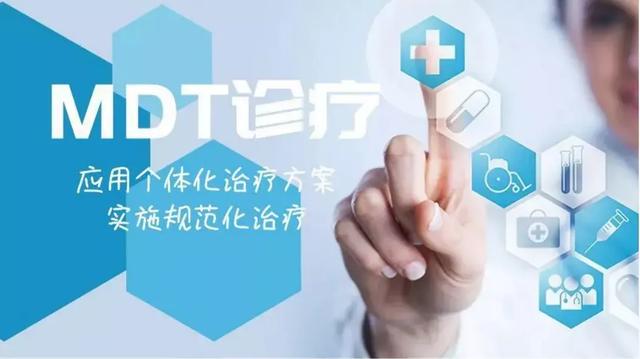
MDT, that is, multidisciplinary consultation, is a multidisciplinary comprehensive treatment model. Experts from multiple disciplines discuss a certain case, and based on the opinions of various disciplines, the best treatment plan is formulated for the patient. This multidisciplinary comprehensive treatment model is a patient-centered process of developing a personalized diagnosis and treatment plan for the patient.
Xinyang Central Hospital has established a number of MDT teams in recent years, which have changed “single-arms” into “multi-arms” cooperative operations in treatment, minimizing the waiting time for patient diagnosis and treatment, increasing the selectivity of treatment plans, and formulating the most The optimal treatment plan, while avoiding the financial burden of repeated examinations on the patient’s family.
Wang, a 96-year-old man, was admitted to the Gastroenterology Department of Xinyang Central Hospital because of frequent vomiting of blood. After a series of treatment measures such as blood transfusion and hemostasis, the elderly still vomited blood and excreted black stools intermittently. After consultation with the critical care medicine department of the hospital, and after communicating with his family, he was transferred to the ICU for more stringent advanced life support treatment.
However, after a large amount of vomiting, the old man became confused, his blood pressure dropped and his life was in danger. While taking emergency treatment measures, Lu Yibin, director of the Department of Critical Care Medicine, quickly started MDT treatment. Expert teams from the Department of Gastroenterology and Interventional Radiology were invited to consult the patients and formulate a treatment plan for hemostasis under gastroscope to save the patient’s life.
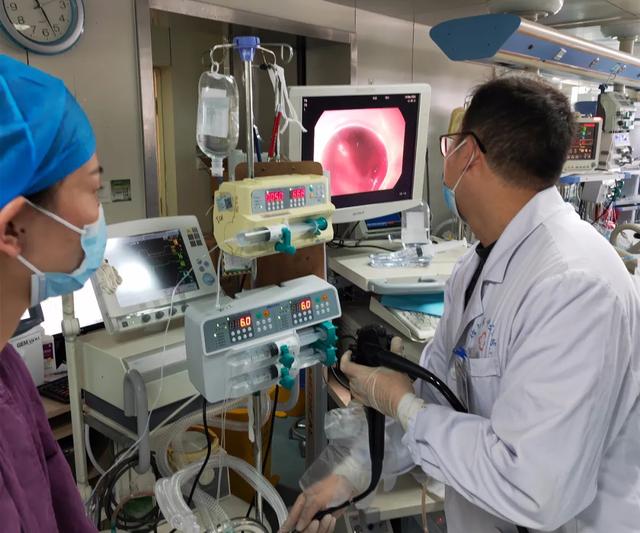
However, the blood pressure of the elderly is only 70/55mmHg. If it is moved and transported, it is likely to accelerate death. Li Shikun, chief physician of the Department of Gastroenterology, made a decisive decision: performing gastroscopic hemostasis at the bedside of the intensive care department. The digestive endoscopic treatment team was urgently implemented, and the ICU team escorted the patient. After more than two hours of emergency treatment, the bleeding was controlled, and the elderly’s vital signs gradually stabilized.
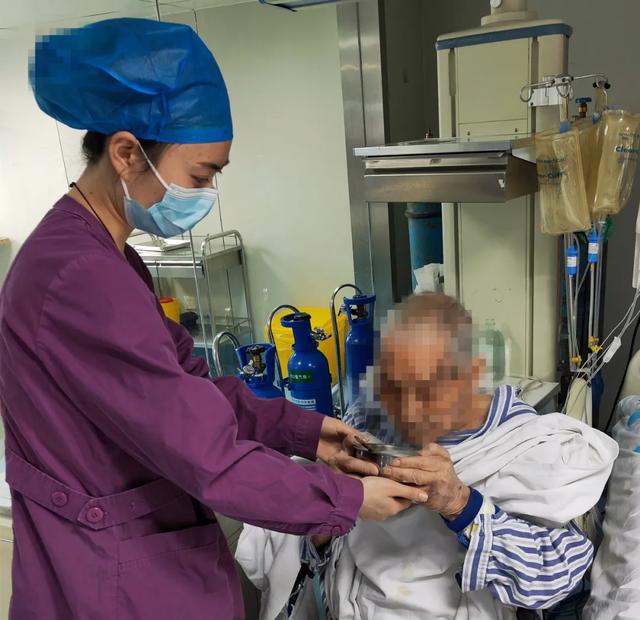
After blood transfusion, fluid replacement, strict control of blood pressure to stabilize the internal environment and other treatments, the old man’s shock was corrected, he was released from the ventilator, he could eat a small amount of food, and was successfully transferred out of the intensive care unit.
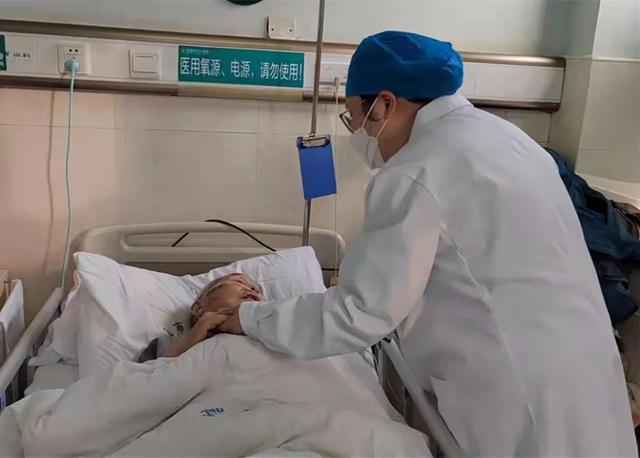
After being transferred back to the Department of Gastroenterology, Director Li Shikun and Dr. Li Ranran formulated a series of rehabilitation plans for the elderly, including protecting the gastric mucosa, hemostasis, suppressing gastric acid secretion, and maintaining smooth stools. The family members of the old man repeatedly thanked him and said with deep feeling that the treatment team of Xinyang Central Hospital was too powerful. We never expected our 96-year-old man to be rescued in such a dangerous situation.
The treatment process of this elderly man once again demonstrated the synergy advantage of MDT. At present, Xinyang Central Hospital has 89 MDT teams. While breaking the barriers between disciplines, it effectively promotes the construction of disciplines, realizes the maximum integration of resources and advantages of various disciplines, and fundamentally improves the number of patients with acute, critical, and difficult cases. The quality of diagnosis and treatment and treatment capacity.