
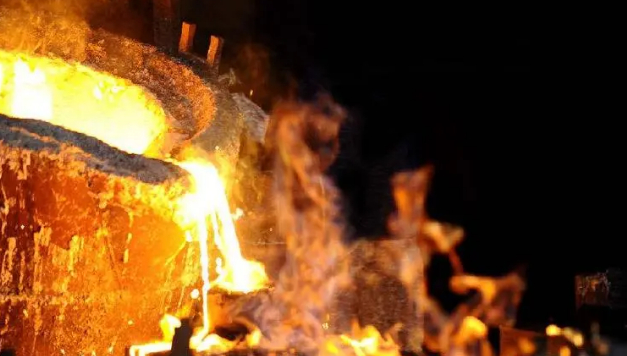
(Source: Metal Gang)
one,introduction
Vacuum nano-insulation board is a new type of thermal insulation material. It uses lightweight, inorganic nano-silica and ceramic fiber with extremely low thermal conductivity and anti-radiation raw material powder as raw materials. The single-layer composite structure is formed through a pressing process, and an aluminum foil vacuum bag with a high reflectivity is used as the packaging material, and is packaged by vacuuming.
Vacuum nano-insulation panels are widely used in cement, metallurgy, machinery, petrochemical, electric power, building materials and other industries. In these fields, vacuum nano-insulation panels are suitable for internal insulation of various high-temperature equipment and pipelines, such as ladles, ladles, tundishes, converters, torpedo tanks, aluminum melting furnaces, electric furnaces, etc.
two,Optimized configuration of refractory insulation materials for ladles
(one)working layer
1.Material selection: adopt low carbonMagnesia carbon brickReplace traditional high carbon magnesia carbon bricks. By optimizing the carbon content and additive formula, low-carbon magnesia carbon bricks not only maintain good slag erosion resistance and thermal shock stability, but also reduce the risk of lining damage caused by carbon oxidation, significantly increasing the service life. For example, after a certain foundry used low-carbon magnesia-carbon bricks, the service life of the working layer of the ladle was increased from 80 times to 120 times.
2.Masonry method: Adopt staggered interlocking masonry method, replacing some straight joint masonry. This method enhances the overall structural strength of the working layer, reduces the penetration channels of molten steel, and reduces the probability of local damage.
(two)permanent layer
1.Material selection: Use lightweight insulating castables, such as mullite,floating beadsCastable as the main raw material. Compared with traditional clay bricks, its thermal conductivity is reduced by 30% – 40%. While ensuring a certain strength, it greatly improves the thermal insulation performance and reduces the heat loss of the ladle.
2. Construction technology: The overall casting process is adopted to ensure the sealing and integrity of the permanent layer and avoid heat loss and local erosion caused by gaps.
(3) Thermal insulation layer
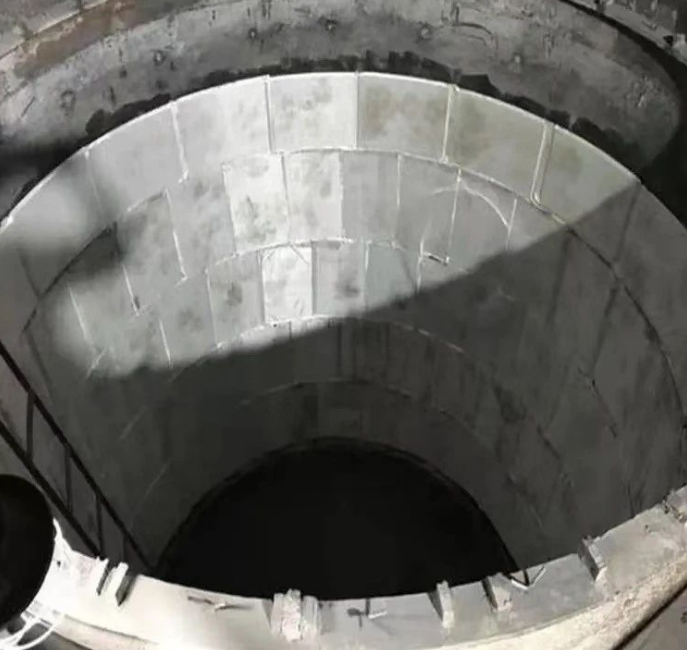
1. Material selection:useVacuum Nano Insulation Panelwhich has extremely low thermal conductivity, good high temperature resistance and chemical stability.Can effectively fill steelThe gap between the outer shell and the permanent layer enhances the thermal insulation effectreduce heat loss.
2.Laying method: Multi-layer staggered joint laying to increase thermal resistance and reduce heat loss through radiation and conduction.
3. Optimized configuration of refractory insulation materials for ladles
(one)working layer
1. Material selection: Aluminum silicon carbide carbon (ASC) castable is used. This material is based onHigh alumina bauxitesilicon carbide, flake graphite, etc. are the main raw materials, and the binder is a high-performance composite binder. It has excellent resistance to molten iron erosion, erosion resistance and thermal shock resistance, and can adapt to the working conditions of frequent charging and unloading of molten iron ladles. Enhancement measures: add in castablesteel fiberenhance the toughness and peeling resistance of the material, and improve the reliability of the working layer.
(two)permanent layer
1. Material selection: UseLightweight high alumina brickwhich has high refractoriness and good thermal insulation performance, and can reduce heat transfer while ensuring the structural stability of the ladle.
2.Design optimization: According to the usage characteristics of the ladle, the thickness of the permanent layer is optimized and appropriately thickened in key parts to improve the overall durability.
(three)coating
1.Material selection: Apply graphite-based anti-slag coating. The coating can form an isolation film on the surface of the working layer of the molten iron ladle, effectively reducing the adhesion between the molten iron and the refractory material, reducing corrosion, making it easier to clean the ladle and extending the service life of the working layer.
2.Coating process: Use high-pressure spraying process to ensure uniform coating coverage and improve coating quality and adhesion.
(4) Thermal insulation layer
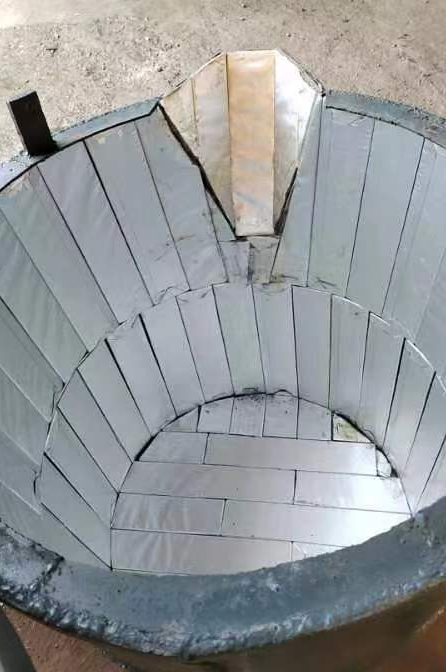
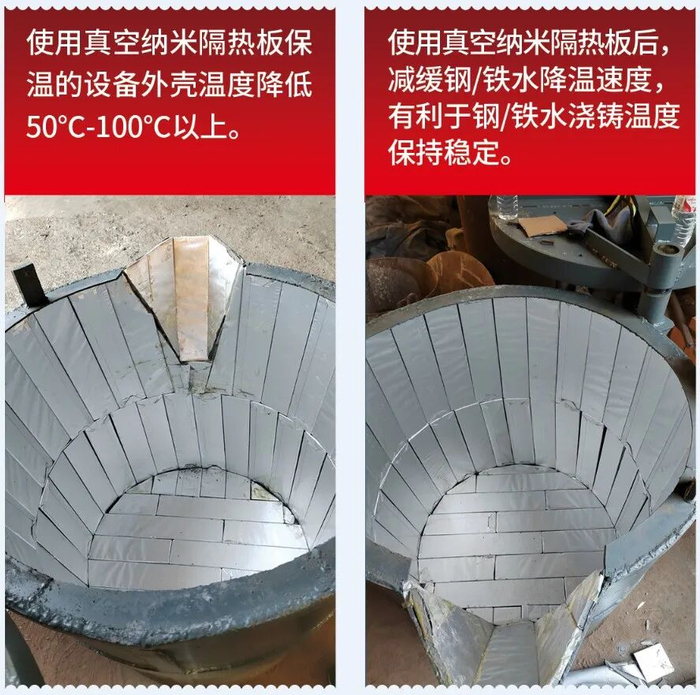
1. Material selection: useVacuum Nano Insulation Panelit has the characteristics of low thermal conductivity and good thermal insulation effect. It uses a thickness of 5-10mm and does not take up space. It can effectively reduce heat loss, stabilize the temperature of the solution in the bag, improve the yield and increase economic benefits.
Four,Maintenance and management measures
1.Regular inspection: Establish a regular inspection system for ladles and molten iron ladles, use ultrasonic thickness gauges, thermal imaging cameras and other equipment to detect the thickness, heat distribution and other parameters of refractory insulation materials to detect potential problems in a timely manner.
2.Timely repair: Develop a quick repair plan for local damage found during inspection. Use special refractory repair materials, such as plastics, gunite repair materials, etc., to perform timely repairs without affecting production and extend the overall service life of the ladle and ladle.
3.Standardize operations: Strengthen operator training, standardize ladle and molten iron packaging and unloading operation procedures, and avoid premature damage to refractory insulation materials due to improper operation. For example, control the charging temperature and speed of molten iron and molten steel to reduce the thermal shock to the lining.
five,expected effect
1. Life extension: By optimizing material configuration and maintenance management, the life of the working layer of the ladle is expected to be increased by more than 50%, and the life of the working layer of the ladle is increased by 30% – 40%, reducing the number and time of replacing the lining and improving production efficiency.
2. Energy saving and consumption reduction: AdoptVacuum Nano Insulation PanelAs a thermal insulation layer, the thermal insulation performance is significantly improved, and the heat dissipation loss of the ladle and molten iron ladle is reduced by 30% -40%. It can effectively reduce heat loss, slow down the temperature drop rate, stabilize the temperature of the solution in the ladle, increase the yield, reduce production costs, and increase economic benefits.
3. Quality improvement: Stable lining conditions help improve the quality of molten steel and molten iron, reduce inclusions caused by refractory material erosion, stabilize the casting temperature, and improve the quality of castings.
Contact person:Mr. Chu
Contact number:15238045777
Business address:Refractory Industrial Park, Chaohua Town, Xinmi City, Henan Province