
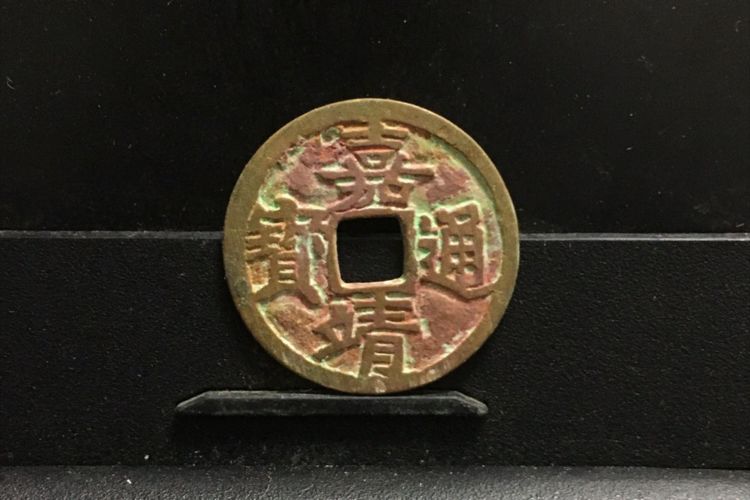
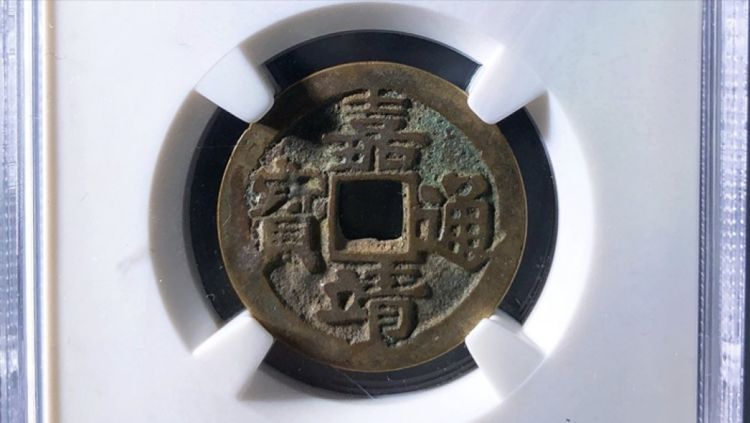
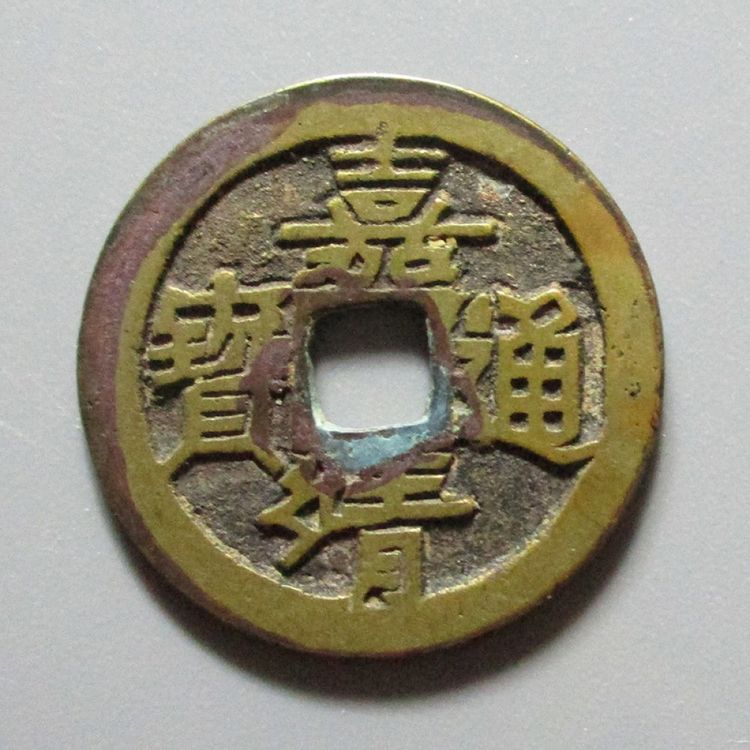
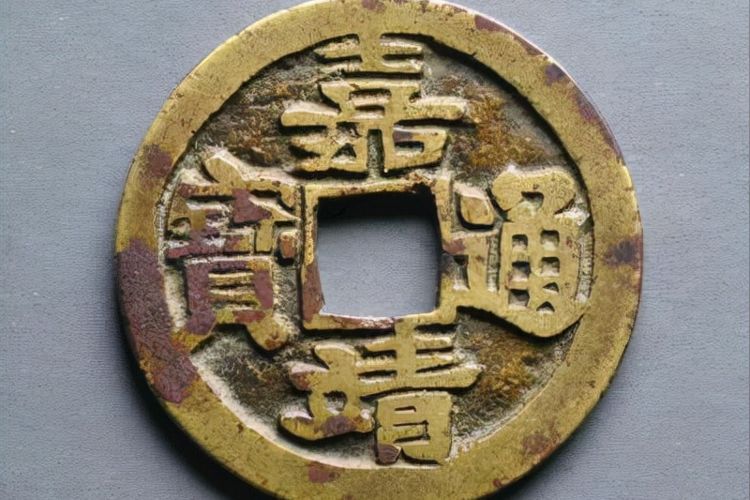
In the 6th year of Jiajing, Emperor Shizong of the Ming Dynasty, the casting of copper coins was resumed because Daming treasure banknotes could not be used. 90.9% of the cast Jiajing Tongbao was made of brass and 9.1% was made of water tin. This is a problem. What exactly is tin? It is mentioned in the development of Song Yingxing Tiangong that water tin = Japanese lead (metallic zinc) Japanese lead is what we often call metallic zinc, so until now, most of the scientific and technological circles, as well as the coinage research community, have regarded water tin as it. Japanese lead, which is what we call metallic zinc.
Isn’t it true? Looking at the following simple analysis, first of all, the word water tin is rarely seen in historical books. We only find it in some documents of the Ming Dynasty. There is no record of the word water tin in historical materials before and after the Ming Dynasty. Of course, the records of water tin and water tin in the literature of the Ming Dynasty are actually not uncommon. The most important thing is that there is a book called Ming Huidian that mentions the examples in Jiajing, with 6 million liters of Tongbao money, and 47,272 kilograms of two-fire brass. Water tin 4,728 jin, Wanli exemplified Jinbei money for 10,000 wen, four fire brass 85 jin and 826 jin, water tin 5 jin eleven and two, and fire lacquer money also had the same ratio.
In some other Ming Dynasty history books, the word water tin was mentioned in the books. Of course, the main purpose of water tin in the Ming Dynasty was to mint coins. Others, such as casting utensils, etc., were not as large as minted coins, so casting The coin itself is a very broad one. A very large use is that water tin was used very widely in the Ming Dynasty. Let’s talk about the economic value of water tin. At that time, the price of red copper was mentioned in the instructions for the factory and warehouse. The price of silver per catty is eight cents and five li, the four-fire brass costs nine cents and four per cent of silver per catty, the second-fire brass costs eight cents and one li per catty of silver, and water tin costs eight cents per catty of silver. It is the same as white tin and high The price of tin is the same.
This mentions another southern lead. Southern lead is what we commonly call lead. Its price is four to five percent, and black lead is four to two percent. Therefore, it can be seen that the price of water tin is basically the same as that of second-fire brass, and is higher than lead. The price of water tin is more than twice higher. We probably know some historical materials and the economic value of water tin at that time. We returned and looked at Song’s Tiangong Kaiwu that water tin is Japanese lead, which is also metallic zinc. It can be seen that when coins were minted, Japanese lead, which is the metal zinc mentioned, had already been used in a large amount in the coins. There was a contradiction.
At that time, Jiajing Tongbao used brass 90.9%, while water tin was 9.1%. If water tin is wisterium, which is metallic zinc, what is the proportion of brass? Everyone knows that when red copper is used to cast coins, the circulation of copper water is not as good as that of brass after the casting is heated. Zinc is added to the red copper to become brass. The four-fire brass of Wanli in the Ming Dynasty contains zinc content. It reaches 30%, which is what we usually call 37 brass, so there is a very contradictory point. If you use brass and water tin, you will use copper-zinc alloy, plus elemental zinc to make money. , This makes no sense.

Therefore, it can be judged from this point that the water tin mentioned at the time was not a simple metal zinc, that is, it is not a Japanese lead. On the other hand, from an economic point of view, the use of Japanese lead in the casting of copper coins in the Ming Dynasty was to replace the decreasing amount of white tin at that time. The price, because Japanese lead is relatively cheap, we assume that Japanese lead is metal zinc and water tin. The prices of water tin and white tin are both eighth silver and one catty. If water tin replaces white tin, it is meaningless. Therefore, through the above two In one respect, water tin is unlikely to be Japanese lead, that is, metallic zinc.
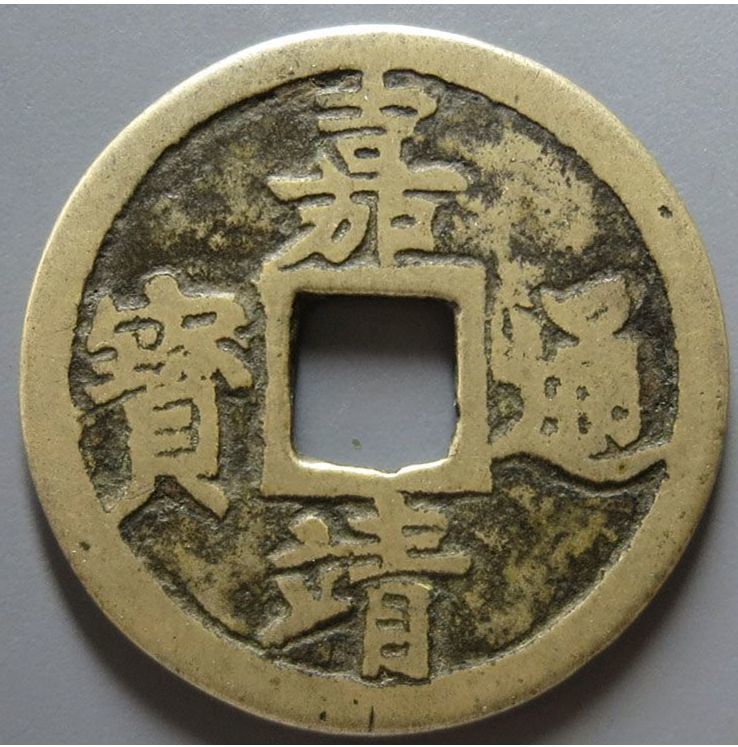
So what exactly is water tin? From Song’s Tiangong’s work, it can be understood that at the beginning, bronze or brass was cast with tin and copper in a proportion, and later, Japanese lead was used instead of tin and copper to cast brass for casting money. The articles of Gongkaiwu are matched with articles of historical copper materials in the Ming Dynasty. Therefore, in summary, Japanese lead is not water tin, and water tin is metal tin.