
Sometimes I wonder, what is the most embarrassing thing about Chinese people? It's not poverty, nor hardship, but the obsession with “loyalty and traitor”. You see, in the long history of our nation, there have been so many upright heroes, and so many sinners who have been infamy for thousands of years. This emotion is not something you talk about, it is engraved in your bones.
Today I want to talk to you about a past event during the Anti-Japanese War. Not many people mention this past event now, but at the time, it was truly earth-shattering and heart-breaking. This was the “tomb-building and rebellion” movement that swept across the rear area. Let’s talk about these four words first. “Building tombs” is to build the souls of heroes, and “casting rebellion” is to convict traitors. The protagonist of this matter is Wang Jingwei, who once claimed to be “a man who can achieve success with a knife, living up to his youth”, but later became the number one traitor in the Chinese nation.
At the end of 1938, when the Anti-Japanese War was at its most difficult, the whole country was tightening its belts and risking its lives to fill the hole for the nation's survival. As a result, the second-in-command of the Kuomintang actually sneaked out of Chongqing and went to join the Japanese. When the news came back, it was not just anger, it was heart-wrenching pain, as if the family had been stabbed in the back by their most trusted friend. This pain finally turned into an overwhelming force.
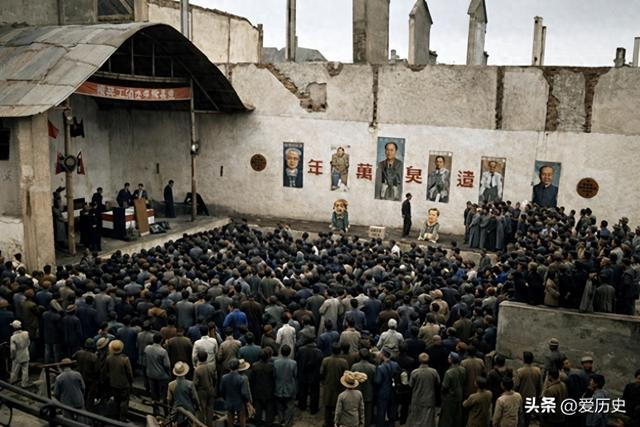
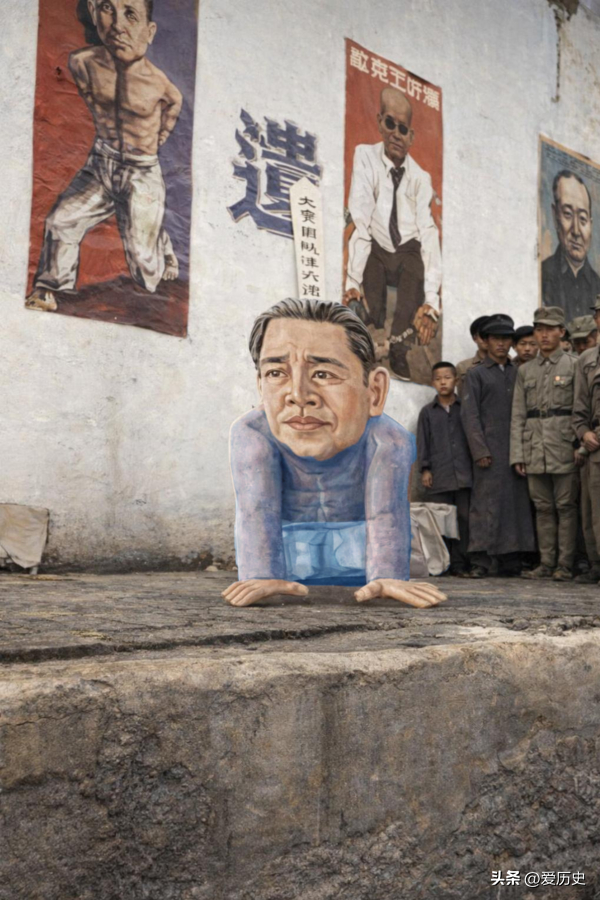
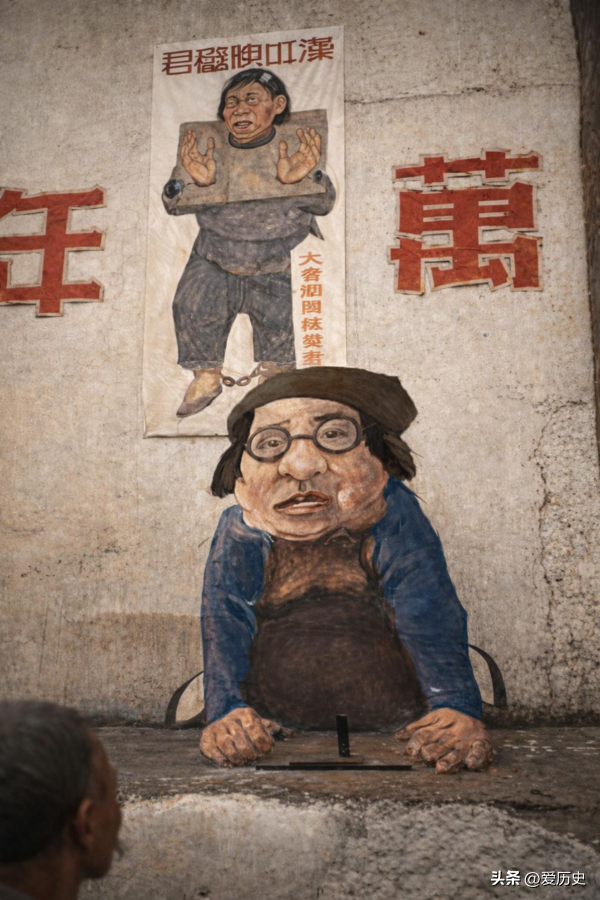
At that time, Chongqing, the capital of the country, was full of voices of condemnation in the streets. For this kind of sentiment, it is not enough to just write articles and criticize. Chinese people pay attention to “realness”. Then, something unprecedented happened. In March 1940, Chongqing launched an organization with an exciting name: “Chongqing Tomb Construction and Rebellion Committee.” What are they going to do? They want to build a “Tomb of the Unknown Heroes” on the land of Chongqing for the soldiers who died in the Anti-Japanese War, and then cast two kneeling statues of Wang Jingwei and his wife Chen Bijun in front of the tomb.
This approach is familiar to us Chinese. Go to the Yuewang Temple in Hangzhou and see how many years Qin Hui and his wife have been kneeling there? That is the judgment of the people and the final conclusion of history. But at this juncture of the Anti-Japanese War, this matter had a deeper meaning. At that time, the country was poor and lacked guns and artillery for fighting at the front. Where did the money come from to build such a huge project at the rear? It's all made up by the common people.
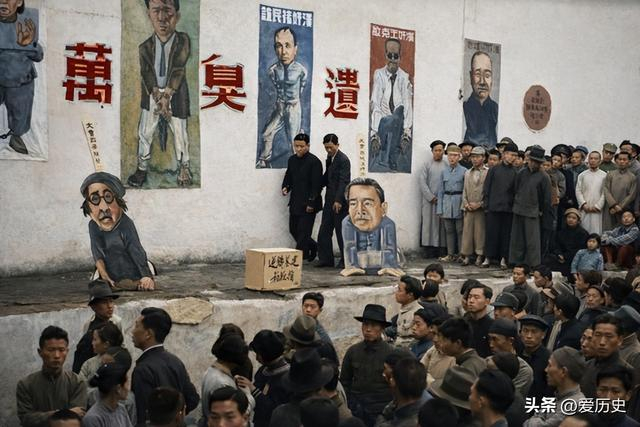
According to archives at the time, as soon as this movement was launched, there was widespread action in and outside Chongqing. Whether it's a worker in a factory, a vendor walking down the street, or even a doll in school, everyone puts money into the donation box. This is not just giving money, this is venting anger and making a statement. Around 1942, the amount of donations raised reached tens of thousands. The tens of thousands of dollars at that time were the hard-earned money that ordinary people squeezed out of their teeth.
This kind of movement will soon cease to be a Chongqing affair. This flame is burning in Fujian, Anhui, Guangxi, and every corner of the rear area. In Yong'an and Minhou in Fujian, and in Tunxi in Anhui, everyone is doing the same thing: making statues of traitors. Why do we have to make statues? Because the words will wear out, but the kneeling statue made of iron and carved wood stands so solidly in front of the tomb of the fallen soldiers. That is the best contrast.
At that time, a gentleman named Wei Zhongxiong said something that was very moving. He said that nearly three years of all-out war of resistance had cost the lives of one million soldiers. These soldiers abandoned their parents, wives and children and sacrificed their lives for the sake of the motherland's crisis. Their blood was exchanged for the survival of the motherland; but people like Wang Jingwei came forward to engage in traitorous activities when the nation was at a critical moment. Such national scum must be nailed to the pillar of shame forever.
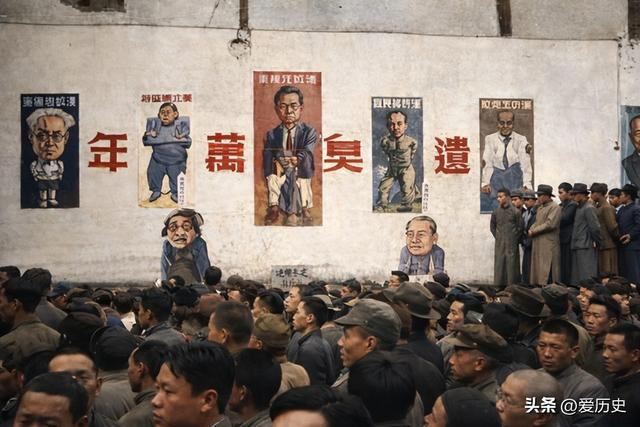
Let’s look at the design of the kneeling statue. It’s really exquisite. Not just kneeling, but “kneeling for a long time,” which is the kind of posture where the face is full of shame and the head is bowed in confession. In Chongqing, the committee also issued a special “special issue” to publish the design models of those monuments and kneeling statues. Just to let future generations see the consequences of being a traitor. This is the value of our Chinese people. If you betray the nation, you will lose the qualification to stand.
How important was this movement at that time? It makes those who waver see clearly that surrender will not end well. At that time, there were still some people in the rear who felt that the War of Resistance was hopeless and wanted to engage in some kind of “curve to save the country.” This movement of “building tombs and forging rebellion” is like a basin of cold water, pouring cold water on these people. It established the norms of the War of Resistance: heroes were commemorated, traitors were scorned, and there was no ambiguity in between.
Many people may think that what is the use of making a statue and kneeling there? Are the Japanese still occupying our land? But you have to understand that this kind of spiritual mobilization is the basis for winning the war of resistance. If a nation cannot distinguish between good and bad and is tolerant of traitors, then this nation is truly hopeless. The people of Chongqing used this most traditional and shocking way to give the world a resounding answer: China cannot be humiliated.
Looking at those historical materials, I seem to be able to see the streets of Chongqing back then, with workers, students, and clerks lining up to donate money and participate in rallies to demand Wang. That kind of outrage and deep hatred for traitors can be felt across time and space. Even when the Japanese planes were bombing indiscriminately, everyone did not stop doing these things. This is a kind of dignity, a kind of integrity that I have to keep even if I have nothing.
As people nowadays, our lives have improved, but sometimes we feel that these histories are far away. But I always feel that there are some things that cannot be forgotten. How big a blow did Wang Jingwei's rebellion have to China at that time? But the Chinese people suppressed this evil spirit with an almost stubborn sense of ritual. The determination to “build tombs and forge rebellion” is actually China's determination to win.
Looking back, those iron kneeling statues may have disappeared during some subsequent turmoil, or they may have been collected into museums. But the righteousness left behind by that movement has been passed down. It tells us that no matter how much halo you have had in the past, as long as you betray your country and nation, you will be forever engraved on the pillar of shame in history.
I often think that if those unknown heroes back then could see the subsequent victory and see China today, they would definitely feel that their sacrifices back then were worth it. And the statues of traitors kneeling in front of the tombs, although they are cold, remind us at every moment: the word loyalty is extremely important.
The reason why our nation can survive through disasters is because at every critical moment, there is always a group of people who stand up to build tombs for heroes and create rebellion for traitors. This insistence on justice and this determination against rebellion are the hardest part of our Chinese soul. The purpose of talking about this matter today is to let us understand that people have to hold on to something in this life. That sincerity for our country and our hatred for traitorous behavior can never be lost.
We are now in an unprecedented good era. But this does not mean that we can forget the pain of the past, let alone those who shed blood and risked their lives for this country. When we walk in the sunshine of peace, let us not forget that during those dark years, countless ordinary people used their meager strength to build a spiritual Great Wall.
This is what I want to talk to you today. History is not far away, it is in our hearts. When you understand why a nation is so angry at a betrayer, you will understand why that nation can remain invincible. This resonance does not only belong to that era, it should belong to everyone with Chinese blood.